
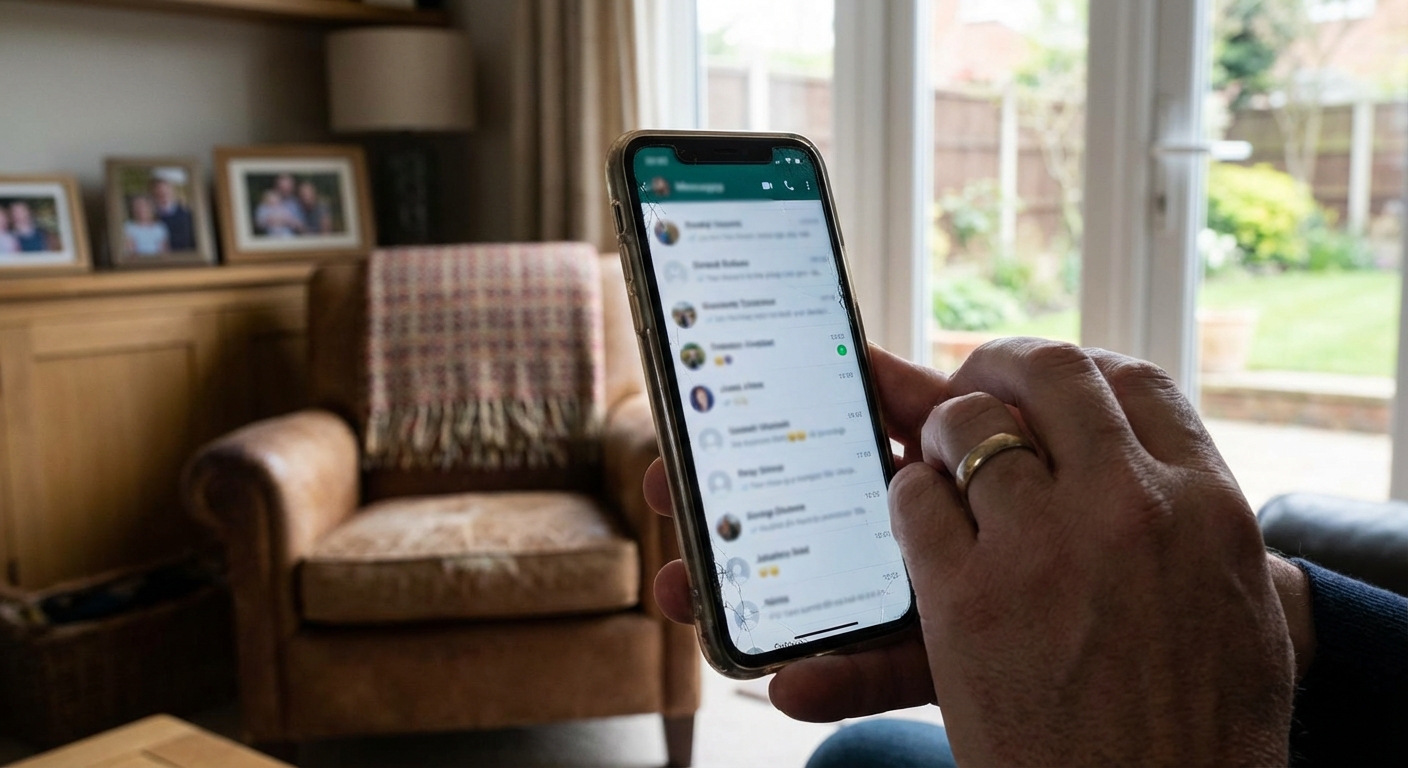
Intro: The items below summarize the strongest arguments people cite in support of Online Hoaxes, Chain Messages & Viral Disinformation Claims. These are arguments supporters use to persuade others, not proof that any particular claim is true. Each argument lists the typical source type, a practical verification test, and representative documentation or research about how such material actually behaves online.
The strongest arguments people cite
-
“It was forwarded by many different people, so it must be true.” — Source type: mass-forwarded chain messages or WhatsApp/DM virality. Verification test: trace the earliest public posting, check independent fact-checkers, and look for platform-level context (e.g., forwarding labels or limits).
Why people use it: Messages that arrive repeatedly from friends or family create social proof and imply broad verification. Research shows that false items often travel farther and faster than true items online, and private, forwarded messages are a known vector for viral misinformation.
-
“There’s a screenshot of an official document (or a quote) — that proves it.” — Source type: screenshots, cropped documents, or circulated quotes. Verification test: find the original document on the issuing authority’s website, request or consult primary records (FOIA or official statements), and run reverse-image or text searches to locate the source context.
Documentation: Fact-checkers and government advisories repeatedly show screenshots can be forged, taken out of context, or mis-captioned; primary-source verification is required. See Snopes’ debunks and government guidance on verifying official claims.
-
“There’s video or audio of it — so it happened.” — Source type: viral video, audio clip, or montage. Verification test: reverse video/image search, check metadata where available, compare to independent reputable news coverage, and consult technical analysis for deepfakes or edits.
Why it’s persuasive and risky: Inauthentic audio/video and manipulated clips are a central tactic of disinformation campaigns; government resources and technical research list how audiovisual forgeries are used to mislead. Verification often requires forensic checks or confirmations from primary institutions.
-
“A celebrity/public figure shared it, so it must be true.” — Source type: reposts or screenshots attributed to public figures. Verification test: check the person’s official account for the original post, look for archived posts, and watch for manipulated screenshots or parody accounts.
Evidence context: Viral political falsehoods are especially likely to be shared widely; social sharing by high-profile accounts amplifies reach but does not guarantee accuracy. Large-scale studies show humans preferentially share novel, emotionally charged content, which increases the risk of amplifying false political claims.
-
“It’s consistent with what I already suspect or experienced, so it’s probably true.” — Source type: anecdote, personal testimony, or community rumor. Verification test: seek corroboration from independent primary sources (records, reputable reporting), and be wary of confirmation bias in personal networks.
Research basis: The novelty and emotional valence of false items make them more shareable; personal resonance can feel like evidence but is not the same as independent corroboration.
-
“The message lists sources or URLs, so it’s documented.” — Source type: chain messages that include citations, links, or a long-sounding bibliography. Verification test: follow each cited source to its origin, check for broken links, and verify the cited page actually supports the claim rather than quoting it out of context.
Typical outcome: Many viral messages include misattributed sources, outdated screenshots of legitimate pages, or links to low-quality sites; checking the primary sources often reveals distortion or absence of supporting evidence. Fact-checkers routinely find this pattern.
-
“Fact-checkers disagree, so there’s a cover-up or dispute.” — Source type: selective quoting of fact-checking snippets or political commentary. Verification test: read multiple reputable fact-checking organizations in full, compare methods and sources, and identify precisely which evidence is contested.
Why this argument appears: Different fact-checkers can emphasize different evidence or rate claims differently; when fact-checks conflict, that does not automatically validate the claim—rather, it indicates legitimate uncertainty or differing standards. When sources conflict, state-level or primary records are the most decisive.
How these arguments change when checked
When researchers and professional fact-checkers examine these common arguments, several recurring outcomes appear:
-
Mass-forwarded status often proves to be poor evidence of truth. Studies find that false news and viral hoaxes frequently spread more widely than verified information, so high circulation is not diagnostic of accuracy.
-
Screenshots and quoted documents commonly lose credibility under primary-source verification: original records, official statements, and archive checks often contradict or fail to support the screenshot’s claims. Fact-check archives show many such reversals.
-
Video/audio items sometimes survive basic checks (e.g., clearly recorded events) but are increasingly subject to manipulation. Government and research resources recommend forensic review or independent confirmations for high-stakes claims.
-
Platform-level signals (forwarding labels, reduced forwarding limits) can help identify viral chain content, but they are not replacements for source verification. For example, WhatsApp added forwarding limits and a fact-check magnifier to slow spread, yet research shows restrictions delay but do not fully stop viral misinformation in public groups.
-
Legal and consumer-protection frameworks treat some chain-message forms (e.g., money-making chain letters) as fraud; the FTC has historically taken action against deceptive chain schemes. That demonstrates that some chain messages are not mere mistakes but illegal scams.
Important note on conflicting institutional positions: U.S. government agencies (e.g., CISA) have published detailed resources for identifying disinformation while also facing political scrutiny and internal changes that affect capacity and public messaging. Reporting about those institutional changes can conflict; readers should consult primary agency pages where possible and treat political news about agency staffing separately from technical guidance.
Evidence score (and what it means)
Evidence score is not probability: The score reflects how strong the documentation is, not how likely the claim is to be true.
- Evidence score (0–100): 45
- Drivers of the score:
- • Solid empirical research shows viral falsehoods often spread farther and faster than true information, supporting the claim that forwarding and virality are unreliable indicators of truth.
- • Government and academic resources document concrete tactics (manipulated images, inauthentic content, chains) used to spread disinformation; those resources are high quality.
- • Many viral chain-message examples are debunked by fact-checkers, but each viral item is different; while patterns are well-documented, individual claims vary widely in available primary evidence.
- • Platform interventions (e.g., WhatsApp limits) and legal remedies exist, but studies show limitations in effectiveness and persistent private-channel spread, reducing the certainty of broad claims about containment.
- • Political and institutional disputes over disinformation policy introduce conflicting accounts about agency activities; this affects interpretive claims about systemic responses.
FAQ
Q: How should I treat an online message that says “forward this to 10 people”?
A: Treat chain-letter-style requests as non-evidence. If the message requests money or personal data, it may be fraudulent and could violate laws or platform policies; consult FTC guidance and do not send money. For informational claims in the message, verify via primary sources and reputable fact-checkers.
Q: What practical steps confirm or refute a forwarded claim?
A: Practical steps include: reverse-image and reverse-video searches; searching for the claim on trusted fact-checking sites (e.g., Snopes, AP Fact Check); checking official sources for documents; and looking for corroboration in reputable news outlets. For messages in private apps, forward the content (without exposing private data) to a reputable verification hotline or search the exact text online.
Q: Online Hoaxes Chain Messages Viral Disinformation Claims — can platforms stop them?
A: Platforms can slow spread—e.g., by labeling forwarded items, limiting forwards, or adding search tools—but research shows these measures delay rather than fully prevent viral spread, especially in private or encrypted groups. Structural changes plus user education and primary-source verification produce the best results.
Q: If fact-checkers disagree, how should I proceed?
A: Read multiple full fact-checks and examine the primary sources they cite. Differences in ratings often reflect different interpretation thresholds or available evidence; when fact-checks conflict, prioritize primary documentation (official records, original footage, court filings) and peer-reviewed or high-trust reporting. If primary evidence is absent or ambiguous, the claim should be treated as unproven.
This article is for informational and analytical purposes and does not constitute legal, medical, investment, or purchasing advice.

Myths-vs-facts writer who focuses on psychology, cognitive biases, and why stories spread.