
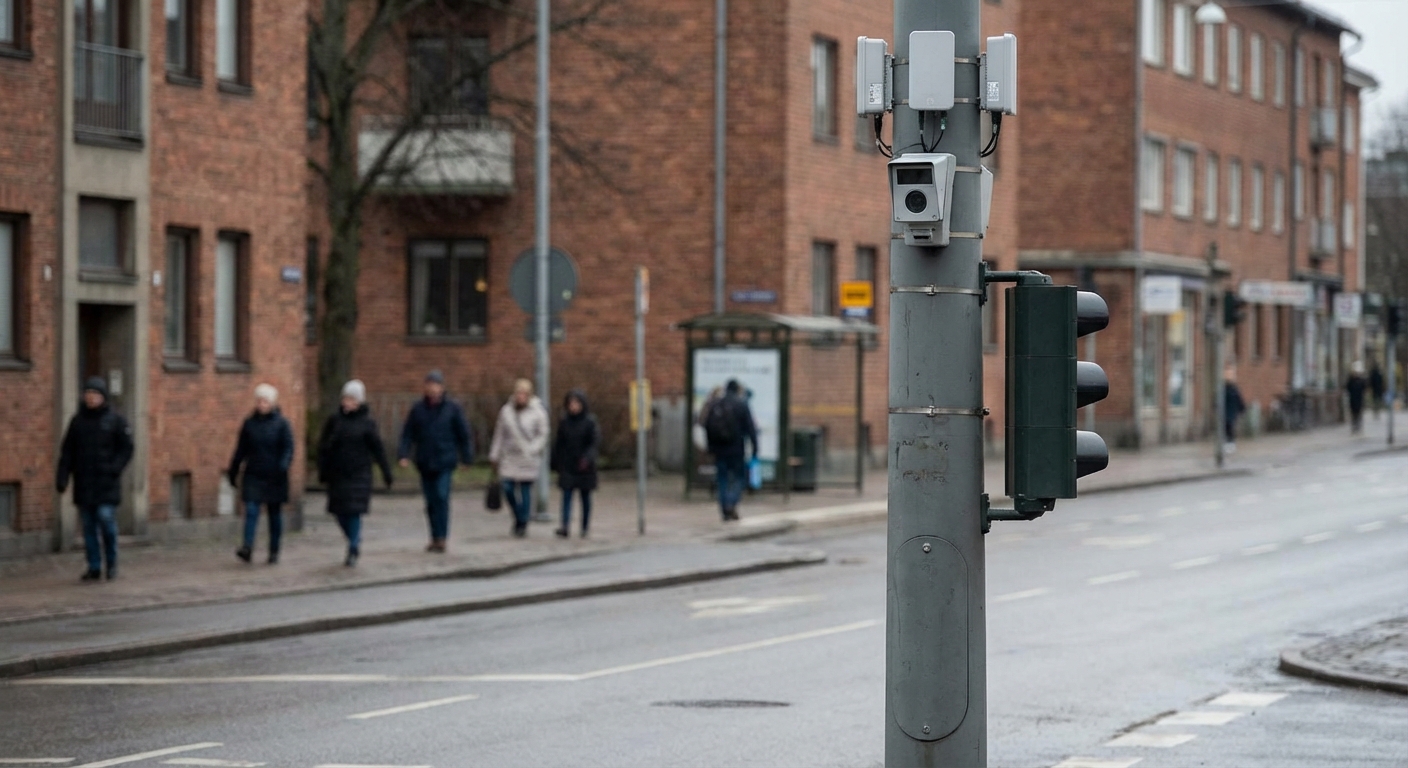
This article examines the claim that “5G causes COVID” and weighs documented evidence, disputed findings, and gaps that cannot be resolved with currently available public data. The discussion treats the topic as a claim under review and aims to be neutral, analytical, and strictly evidence-focused.
Assessing the “5G causes COVID” claims
The claim that “5G causes COVID” takes different forms: that 5G radio waves directly create SARS-CoV-2 or COVID-19 illness, that 5G weakens immune systems and therefore increases susceptibility, or that the pandemic is a cover for 5G-related illness. This verdict assesses available documentation from public-health bodies, technical regulators, peer-reviewed studies, and reputable fact-checking and journalism outlets to identify what is documented, what is contested, and what remains unproven.
Verdict: what we know, what we can’t prove
What is strongly documented
1. Major international public-health and communications authorities have publicly rejected any causal link between 5G and COVID-19. Authorities make two core points: viruses cannot travel on radio waves or mobile networks, and COVID-19 has spread in places without 5G networks. These positions are recorded in UN/WHO-related myth-busting pages and national guidance.
2. National regulators and mainstream scientific reviews report no established causal mechanism by which non‑ionizing radiofrequency fields used by 5G would create or transmit viral particles, and they maintain current exposure guidelines keep public RF exposures below levels that produce well‑understood thermal effects. Agencies and independent fact‑checks summarizing that consensus are publicly available.
3. The “5G causes COVID” narrative has clear, traceable misinformation pathways: early amplification by specific commentators and social accounts, rapid spread on social platforms, and subsequent amplification by some public figures and fringe outlets. Reporting and fact‑checks document where the story emerged and how it propagated.
What is plausible but unproven (and how it is documented)
1. There is a body of peer‑reviewed and open literature discussing potential biological effects of various RF exposures (oxidative stress, cellular responses, blood‑cell morphology changes in laboratory settings). Some papers argue that these observed effects warrant further study of RF bioeffects and of exposure limits. Those studies do not demonstrate that RF causes COVID‑19 infection, nor that RF exposure explains pandemic patterns, but they do exist in the scientific record and are cited by people who support the claim.
2. It is theoretically plausible that chronic environmental stressors could affect human health in ways that modify susceptibility to infectious disease; that general research question is legitimate. However, plausibility is not evidence of causation in the specific case of 5G and SARS‑CoV‑2. The existing literature has not established a chain of evidence linking RF exposure to increased SARS‑CoV‑2 infection rates or to the clinical syndrome COVID‑19.
What is contradicted or unsupported
1. The stronger versions of the claim — that 5G radio waves directly carry SARS‑CoV‑2, that 5G universally causes COVID‑19 symptoms, or that governments are hiding a 5G illness pandemic in place of viral disease — are unsupported by biological mechanism, direct empirical evidence, or epidemiological data. Mainstream health and telecom agencies, national regulators, and multiple fact‑checks explicitly contradict these assertions.
2. Real‑world harms attributed to this conspiracy chain (arson and vandalism against base stations, harassment of technicians) are well documented; those events are consequences of the narrative, not evidence of its truth. Reporting from multiple outlets recorded a wave of vandalism against masts and industry warnings about attacks.
Evidence score (and what it means)
Evidence score: 12/100
- High‑quality institutional sources (WHO/UN-related mythbusting, national regulators such as the UK government and communications regulators) explicitly reject a causal link; those are direct, authoritative statements.
- There is a significant volume of peer‑reviewed literature on RF bioeffects; a small subset of papers argue for re‑examination of exposure assumptions, but these do not provide direct evidence linking RF to SARS‑CoV‑2 infection or to the pandemic patterns.
- Independent fact‑checks and major media investigations trace the misinformation pathway and show social‑media amplification and real‑world harms, reducing credibility of origin claims.
- There is no credible epidemiological study demonstrating higher COVID‑19 incidence caused by proximity to 5G infrastructure; observational patterns cited by proponents are confounded by population density, travel, and testing differences.
- Some technical critiques claim regulatory exposure limits need review; that debate concerns long‑term RF exposure policy but does not document a causative link to COVID‑19.
Evidence score is not probability:
The score reflects how strong the documentation is, not how likely the claim is to be true.
Practical takeaway: how to read future claims
1. Distinguish mechanism from epidemiology: a laboratory observation about cellular stress from very specific exposures is not the same as a population‑level causal explanation for an infectious disease outbreak. Seek studies that connect mechanism, exposure levels representative of public experience, and epidemiological outcomes.
2. Prefer primary institutional sources for public‑health and technical guidance (WHO, national public‑health agencies, communications regulators) when they exist; check whether secondary sources are accurately representing those primary documents.
3. Watch for common misinterpretations: correlation without control for confounders (e.g., cities with more travel and denser populations both got 5G earlier and had earlier outbreaks), selective citation of preliminary lab work, and out‑of‑context press releases. Independent replication and epidemiological evidence are essential before moving from plausibility to causation.
4. If an assertion is given as a causal claim about disease spread, demand (a) a clear biological mechanism consistent with established virology and physics, (b) exposure data showing people were exposed at levels relevant to the proposed mechanism, and (c) epidemiological studies that control for confounders and show increased risk in exposed populations compared with comparable unexposed groups.
This article is for informational and analytical purposes and does not constitute legal, medical, investment, or purchasing advice.
FAQ
Does 5G cause COVID?
No credible evidence shows 5G causes COVID; international health bodies and communications regulators state that viruses cannot travel on radio waves and that there is no documented causal link between 5G and SARS‑CoV‑2 infection. For those institutional positions see WHO/UN mythbusters and national guidance.
Are there peer‑reviewed studies that suggest biological effects from RF exposure?
Yes — there are peer‑reviewed papers reporting cellular or physiological effects under specific laboratory conditions and review articles urging further research or reconsideration of exposure assumptions. Those studies do not establish that 5G causes COVID‑19; they speak to open scientific questions about possible non‑thermal bioeffects and regulatory limits. Readers should note the distinction between laboratory findings and demonstrated population‑level disease causation.
Why did the “5G causes COVID” idea spread so widely?
The idea spread via early statements amplified on social platforms, coverage by some influencers and fringe sites, and the psychological tendency to seek simple explanations during a fast‑moving crisis. Journalistic and fact‑checking investigations traced the misinformation path and documented social‑media amplification and real‑world impacts such as vandalism.
What would change this assessment?
The assessment would change if robust, reproducible epidemiological evidence showed higher SARS‑CoV‑2 infection rates tied to measured RF exposures at levels typical of public 5G deployments and if a biologically plausible mechanism were demonstrated at those exposure levels. To be persuasive, such evidence would need to come from peer‑reviewed, replicated studies that control for confounders and are assessed by relevant public‑health and radiation‑safety authorities.
Where can I find reliable updates?
Check authoritative primary sources (WHO, national public‑health agencies, communications regulators like Ofcom or the FCC, and peer‑reviewed journals). Fact‑checking organizations and major newsrooms provide context about misinformation sources but should be read alongside primary documents.

Investigative-style editor who turns conspiracy claims into structured, source-first pages: claim → evidence → counterevidence → verdict.