
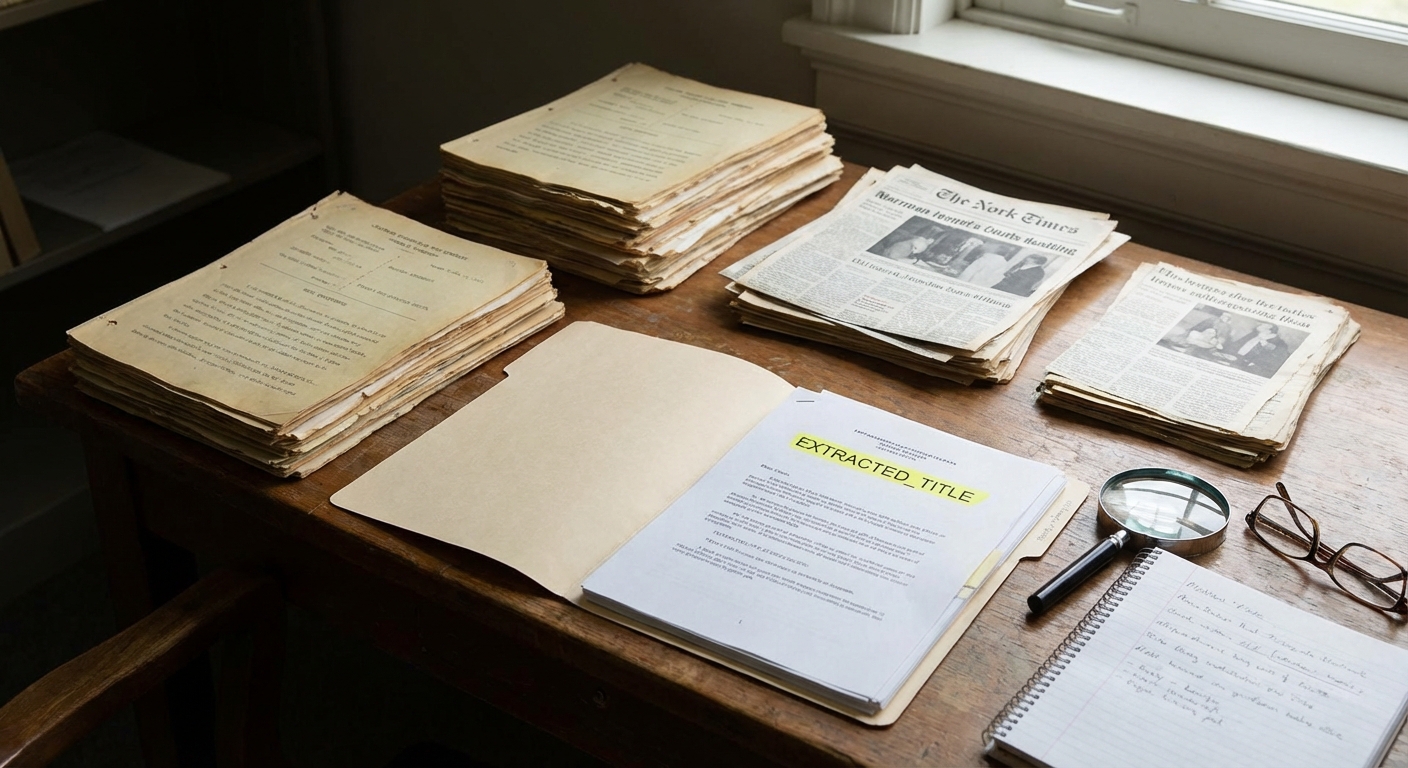
The phrase “what are crisis actors” refers to a claim used by some online communities: that victims, survivors, or witnesses of real-world disasters and mass-casualty events are actually paid performers staged to create political effects. This article treats that idea as a claim to be evaluated, summarizes documented examples of the claim’s circulation, traces origins and mechanisms of spread, and explains how to check specific allegations.
What the claim says: what are crisis actors?
In its simplest form the “crisis actors” claim alleges that an event (for example, a school shooting, terror attack, or wartime atrocity) was staged and that apparent victims, survivors, or witnesses are actors paid to play roles. Proponents often point to reused footage, perceived similarities between people photographed at different events, or odd behavior in video clips as evidence. The term also has a neutral technical meaning — professional role-players are used in disaster drills to simulate victims for first-responder training — but the conspiracy use implies intentional deception. The neutral training definition is documented in public sources; the conspiratorial usage is a social-media phenomenon applied to real events.
Where it came from and why it spread
The non-conspiracy origin of the phrase relates to disaster preparedness: actors or volunteers sometimes portray casualties during training exercises to help emergency services prepare for mass-casualty incidents. That practical usage is well established. Over time, the phrase was repurposed by online communities to argue that visible suffering in news coverage was staged. Investigations tracing the conspiratorial usage point to social-media activity after high-profile mass-shootings in the 2010s, and reporting has linked the earliest commercial uses of the phrase in the context of preparedness drills to companies offering simulation services.
Several high-profile events accelerated the spread of the conspiratorial claim. After the 2012 Sandy Hook Elementary School shooting, vocal conspiracy promoters repeatedly asserted that grieving families were “crisis actors,” a line that was amplified by some media personalities and social platforms and later resulted in legal action against prominent promoters of the hoax narrative. Courts found key public falsehoods harmful to victims’ families, and multiple reputable news outlets and court records document both the spread of the false claim and legal consequences for those who promoted it.
Other recent conflicts and disasters have seen similar false or miscaptioned claims. Fact-checking organizations have repeatedly found viral videos claiming to show staged victims to be miscaptioned or repurposed footage from unrelated productions or drills. Examples include social-media claims about staged footage in Ukraine and in the Israel–Hamas fighting, both of which fact-checkers found to be misattributed or taken out of context. Those fact-checks illustrate a common pattern: old or unrelated footage is recirculated with a new caption to suggest staging.
Platforms, civil-society groups, and some mainstream news outlets have at times removed or labeled posts that allege people are actors when those posts target private victims or spread demonstrably false narratives; those responses reflect both harassment concerns and attempts to limit the spread of demonstrable falsehoods. Advocacy and monitoring organizations document the ongoing efforts to counter such narratives and explain why they tend to proliferate after traumatic events.
What is documented vs what is inferred
Documented:
- Professional use: Actors and volunteers are routinely used in disaster drills to simulate victims; that neutral practice is documented and distinct from the conspiracy claim.
- Recurring pattern: Multiple reputable fact-checking organizations have documented repeated miscaptioning or repurposing of footage presented as “proof” that events were faked — for example, viral videos used to allege staged scenes in Ukraine and in Israel (October 2023) were found to be unrelated or older footage.
- Harassment and legal outcomes: Public spreaders of the Sandy Hook hoax harmed victims and faced lawsuits; courts have issued large defamation judgments and rulings about the harms caused by repeated false claims that families were actors. Those court actions and reporting are documented.
Plausible but unproven / inferred:
- Coordinated disinformation campaigns: In some instances actors and networks pushing the “crisis actors” narrative overlap with ideological or political groups, but attributing every instance of spread to an organized campaign requires evidence for coordination that is not always available. Scholarly work on misinformation identifies incentives for both organic spread and coordinated amplification, but each case differs.
- Misidentification: When people claim they recognize the same person in different photos, it may reflect genuine misidentification, recycled stock imagery, or coincidence; determining which requires source-level verification rather than assumption. Verification sometimes confirms error; sometimes it reveals reused images from public events.
Contradicted or unsupported:
- Specific claims that particular victims were paid actors are often contradicted by primary reporting, official records, on-the-ground sources, and in some cases by court findings. For example, fact-checks have shown particular viral videos were filmed earlier or in different contexts than claimed, and courts have held that assertions about Sandy Hook families were false and defamatory.
Common misunderstandings
1) Confusing training role-players with the conspiratorial claim: The use of actors in emergency drills is a legitimate training practice; it does not imply that live events covered by journalists are staged. Conflating the two leads to incorrect conclusions.
2) Visual similarity does not equal identity: People occasionally resemble one another, and low-resolution or crowded images can create an impression of duplication. Independent verification (e.g., original photo timestamps, location metadata, eyewitness accounts, or news organization archives) is required before concluding identity.
3) Old footage and behind-the-scenes clips are routinely re-captioned: Videos from films, drills, or unrelated events are sometimes relabeled to imply they show current victims; fact-checkers frequently find such misattributions.
4) Accusations are often harmful and can escalate to harassment: Targeting survivors or grieving families with claims that they are actors has caused harassment, threats, and legal-societal consequences, documented in reporting and court records. That is why platform responses and lawsuits have followed in some cases.
This article is for informational and analytical purposes and does not constitute legal, medical, investment, or purchasing advice.
Evidence score (and what it means)
- Evidence score: 58 out of 100.
The score reflects the quality and quantity of direct documentation about the “crisis actors” claim itself — including factual proof that the phrase is used both neutrally and conspiratorially, plus many documented fact-checks showing misattributed footage. The score is not a probability that any specific accusation is true; it is an assessment of how well-documented the phenomena around the claim are.
Evidence score is not probability: The score reflects how strong the documentation is, not how likely the claim is to be true.
- Drivers that lower the score: Many individual allegations rely on anecdote, visual resemblance, or recirculated content without chain-of-custody verification; some assertions remain untested or impossible to verify from public sources.
- Drivers that raise the score: Multiple reputable fact-checks document patterns of miscaptioning and reuse of footage; court records and major news investigations confirm real-world harms and legal consequences in specific cases.
- Evidence gaps: For many viral posts, original high-resolution media, camera metadata, or reliable eyewitness testimony is not publicly available, limiting definitive resolution.
What we still don’t know
Case-by-case verification remains necessary. For any given viral post accusing named individuals of being “crisis actors” a public reader often lacks access to primary evidence (original camera files, full unedited footage, or reliable witness statements). In those situations we cannot definitively prove or disprove the allegation without further information. Where legal proceedings exist (for example, the Sandy Hook litigation) public court records can supply stronger documentation; where no such records exist, uncertainty persists.
FAQ
Q: How can I check whether a viral post claiming “what are crisis actors” is accurate?
A: Start with source tracing: look for the original upload, check the upload date and account, compare with reputable news coverage from the time and place of the event, and consult independent fact-checkers. If the post uses stock or film footage, reverse-image and reverse-video searches often identify reused clips. When primary files (camera originals, timestamps, eyewitness accounts) are unavailable, treat the claim as unverified. Reputable fact-checks often document these steps.
Q: Are there documented cases where “crisis actors” claims were true?
A: The neutral concept of actors used in drills is documented, but high-profile accusations that named victims of real-world tragedies were paid actors have generally been debunked or found false in major investigations and court proceedings. That does not mean every single accusation has been exhaustively disproven, but several widely circulated examples have been shown to be misattributed or unsupported. Courts and fact-checkers provide documented examples.
Q: Why do such claims spread so quickly after tragedies?
A: Emotional salience, low initial information, and confirmation bias drive rapid spread. People seek explanations, images are easily misread or repurposed, and social platforms can amplify sensational miscaptioned posts. Actors with ideological motives or high-following accounts can further accelerate distribution. Monitoring organizations and platform policies have at times tried to limit this amplification, but the underlying social dynamics persist.
Q: What should journalists and platforms do when they encounter these claims?
A: Journalists should seek primary evidence (original files, eyewitness accounts, official records) and label uncertainty clearly; platforms should weigh harassment risks for named private individuals and apply content policies consistently. Many platform and civil-society statements emphasize prompt removal or labeling when posts are demonstrably false and target private victims.
Q: If I see a claim that someone is a “crisis actor,” what responsible steps can I take?
A: Do not repost allegations that identify private individuals without verification. Use reverse-image/video search, check reputable fact-checkers, look for contemporaneous reporting by trusted outlets, and, when in doubt, treat the claim as unverified. If the claim targets a private person, consider the risk of harm before sharing. citeturn0search2turn1search5
Selected sources and further reading: fact-check articles and long-form reporting from established outlets and organizations documenting both the neutral use of actors in drills and the conspiratorial misuse of the term, plus court reporting on the Sandy Hook litigation. Key sources used above include Snopes, Skeptical Inquirer, reporting in The Washington Post and CNBC, and monitoring reports from ADL.

Beginner-guide writer who builds the site’s toolkit: how to fact-check, spot scams, and read sources.