
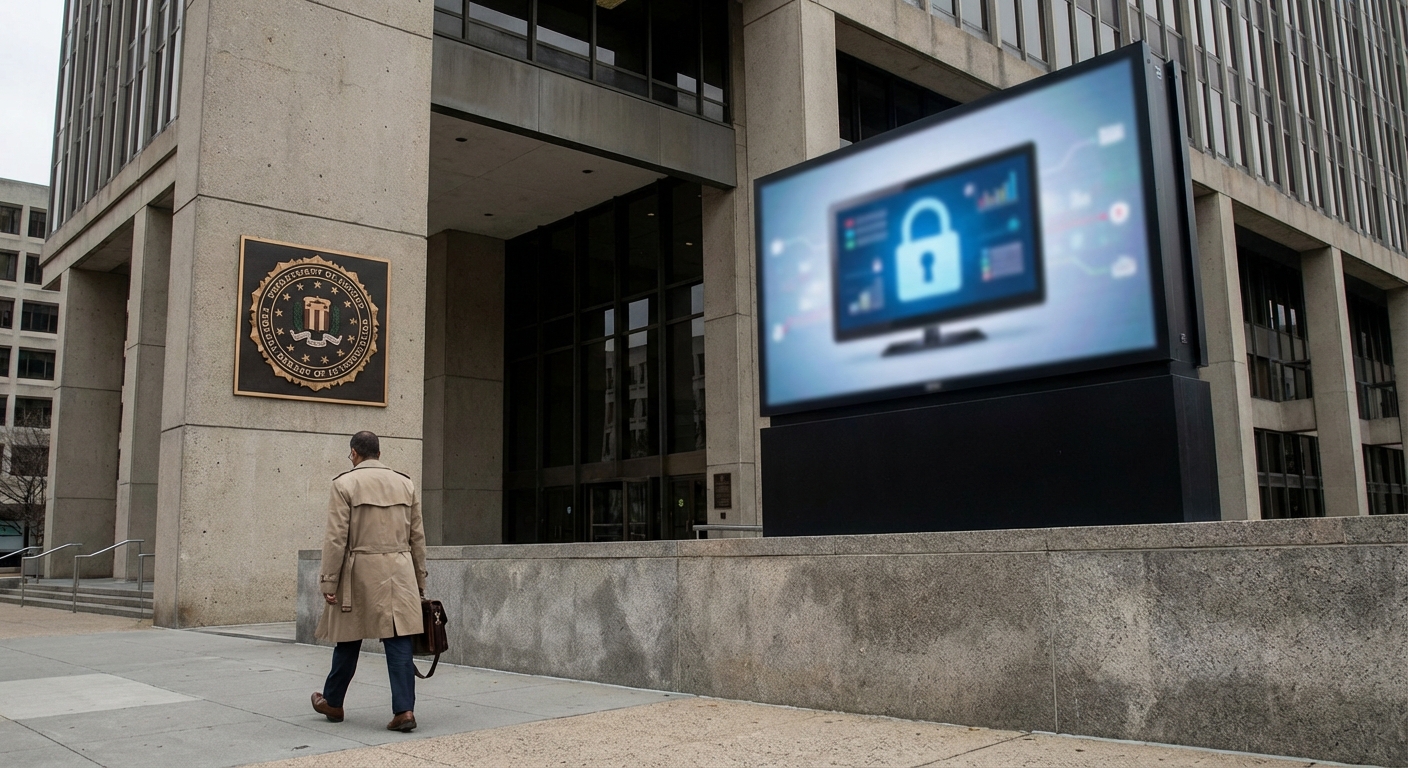
Scope and purpose: this timeline examines the claim commonly described as “smart TV tracking” — allegations that internet‑connected televisions collect detailed viewing, device, or audio data and share it with advertisers or third parties. The purpose is to assemble key dates, primary documents, and turning points that document how the claim developed, where it is supported by records, and where disagreements or gaps exist. The phrase smart TV tracking claims is used throughout to describe the contested assertion, not to endorse it.
This article is for informational and analytical purposes and does not constitute legal, medical, investment, or purchasing advice.
Smart TV tracking claims: overview of sources
Public attention to smart TV tracking claims has come from a mix of sources: regulator enforcement and court filings (FTC actions, state attorneys general, class actions), corporate privacy policies and official statements, investigative reporting, and technical research on Automatic Content Recognition and voice recognition. Different sources document parts of the story (e.g., that particular vendors collected viewing data), while other assertions (for example, pervasive, covert audio surveillance of private conversations across all models and manufacturers) are disputed or lack direct public evidence. Key primary sources and high‑trust reporting are cited below at each point in the timeline.
Timeline: key dates and turning points
- 2014–2017 — VIZIO’s ACR installation and alleged data collection (industry/technical documentation, internal court exhibits): Reports and regulatory filings allege VIZIO installed Automatic Content Recognition software (sometimes called “Smart Interactivity”) on many internet‑connected TVs and collected granular viewing data, including metadata and device identifiers, while the feature was enabled by default. The FTC and New Jersey action led to an enforcement consent decree in February 2017; in court filings VIZIO documents discuss ACR and data collection practices.
- February 2017 — FTC action and consent decree against VIZIO (regulatory filing and press coverage): The U.S. Federal Trade Commission announced settlement terms with VIZIO that alleged the company tracked viewing on millions of TVs without adequate notice and obtained a monetary penalty and injunctive requirements (including obtaining consent and implementing a privacy program). Public reporting summarized the FTC’s findings and the settlement terms.
- 2017–2019 — Private class actions and a $17 million consumer settlement with VIZIO (court dockets & settlement documents): Independent class actions alleged similar facts to the FTC complaint. Those private lawsuits proceeded, settlement negotiations followed, and a $17 million class settlement eventually received final approval in 2019; court documents and settlement agreements were filed on the public docket. Plaintiffs argued VIZIO’s ACR collection and sale of viewing data required notice and consent.
- February 2015 — Samsung voice‑recognition policy and public concern (company statement & press reporting): In early 2015 reporters and consumer advocates flagged language in Samsung’s Smart TV privacy documentation that warned voice recognition snippets could be transmitted to third parties if the voice feature was used. Samsung issued statements clarifying how voice data is handled and published an official response saying interactive voice features are enabled only after user consent and that voice commands are sent only when activated by the user. Investigative reporting noted some early models possibly transmitted voice data unencrypted; Samsung’s public statement and later guidance addressed those concerns.
- Mid‑2010s — Technical research and industry descriptions of ACR (peer‑reviewed/technical reports and preprints): Research literature and technical proposals documented the feasibility of Automatic Content Recognition systems that fingerprint audio/video samples and match them to databases to identify content. These methods explain how a TV can determine what is being watched without relying solely on app telemetry or metadata, and underpin vendor disclosures about “viewing information” services.
- 2015–2020 — Manufacturer privacy settings, consumer guidance, and growing awareness (manufacturer docs & consumer tech reporting): As media coverage and enforcement actions increased, manufacturers added or documented options to disable ACR-like features and interest‑based advertising. Consumer guides and reviews published step‑by‑step instructions for disabling Viewing Information/Interest‑Based Advertising settings on major TV platforms. These sources document that vendors often provide in‑system toggles to opt out of certain tracking features.
- 2018–2025 — Ongoing litigation and enforcement targeting device/platform data practices (court filings, AG complaints, reporting): Beyond the VIZIO matter, platform and device vendors have faced new complaints and investigations alleging collection or improper use of viewing, advertising, or device data. Roku has been the subject of consumer and state actions alleging data collection and potential violations of privacy and children’s‑data laws; these matters include recent state complaints and class claims. Reporting and recent filings show enforcement focus has broadened to streaming platforms, SDKs, and ad‑tech partners in TV ecosystems.
- 2019 — Final approvals and data deletion remedies in private settlements (court orders & legal reporting): The VIZIO consumer settlement included provisions about deleting previously collected viewing data for the class period and about auditing and privacy program improvements; final approval documents were filed publicly in 2019. These remedies reflect a path where alleged past collection was addressed through settlement and injunctive terms rather than a full adjudication on the merits.
- 2020s onward — Continuing ambiguity about scope, cross‑device linking, and SDK behavior (investigative reports, recent complaints): New lawsuits and attorney‑general complaints have focused not just on whether ACR collects viewing data, but on how device identifiers and third‑party SDKs could enable cross‑device profiles or link viewing to mobile identifiers. These are active litigation topics and in some cases rely on allegations of SDK behavior and privacy‑policy representations rather than on a single, universally accepted technical demonstration published in an independent trace.
Where the timeline gets disputed
The public record contains clear documentation for some discrete claims (for example, that VIZIO’s ACR software collected viewing data and that regulators and plaintiffs pursued enforcement and settlement). Other elements of the broader “smart TV tracking” claim are disputed or lack direct public proof. The main disputed areas are:
- Scope across manufacturers: Primary evidence that VIZIO collected and processed viewing data is well documented in regulatory filings and court dockets, but it is not appropriate to extrapolate that every brand or model behaved identically without demonstrating similar documentation for each vendor. Samsung’s own privacy page and public statements describe voice features and allowed data flows, while also denying continuous ambient recording beyond user activation. These vendor statements and their timings matter when assessing claims about “all smart TVs.”
- Audio surveillance of private conversations: Some versions of the claim assert TVs were covertly recording private conversations and sending them to third parties broadly and continuously. The public evidence for such broad, continuous audio surveillance across brands is thin. Samsung warned that voice features could transmit spoken words when the voice function is used; the company’s public clarification and later consumer guidance indicate a user‑activation model for voice services rather than an always‑on, hidden microphone that streams conversations by default. Independent technical confirmation of indiscriminate, always‑on audio exfiltration across models is not broadly documented in primary sources available on the public record.
- Cross‑device linking and ad profiles: Complaints and reporting allege that viewing data and device identifiers were used to support advertising profiles or cross‑device targeting. Some legal complaints and media coverage reference partnerships with ad‑tech firms and SDKs; however, proving the specific technical linkages requires either internal documents or forensic network analysis published publicly. Several lawsuits make those allegations, and regulators have been interested in the potential for cross‑device identification, but the technical chain of evidence is contested in some cases and remains an area of active litigation.
- Representativeness of evidence: Court settlements and advertising‑law suits often resolve without findings of liability on all disputed facts. Settlements (such as the VIZIO class settlement) and consent decrees document alleged conduct and impose remedies or requirements, but they do not always produce a single, definitive technical audit that proves every asserted connection. Researchers, reporters, and regulators each contribute evidence of different types; triangulating across these sources is necessary but sometimes yields unresolved questions.
Evidence score (and what it means)
- Evidence score: 70 / 100
- Drivers of the score:
- Regulatory enforcement and public consent decrees (FTC’s action) provide strong primary documentation for specific vendor conduct.
- Court filings and settlement documents add independently filed records and remedies (class action settlement documents and docket entries).
- Vendor privacy policies and official statements document permitted data flows (Samsung statements about voice features) but also show vendor distinctions and user‑activation models.
- Technical research confirms feasibility of ACR and explains plausible mechanisms, but publicly available forensic demonstrations that prove every claimed linkage (e.g., cross‑device identity mapping for advertising across all vendors) are fewer.
- Ongoing litigation and new complaints show unresolved issues and evolving allegations (e.g., Roku and ad‑tech partnerships), which both strengthen the case that this is an active, real concern and highlight areas not yet conclusively proved.
Evidence score is not probability:
The score reflects how strong the documentation is, not how likely the claim is to be true.
FAQ
Q: What do “smart TV tracking” claims mean in plain terms?
A: The phrase smart TV tracking claims typically refers to assertions that internet‑connected televisions (or the services they run) collect data about what is watched (and sometimes device identifiers or voice snippets) and share that data with advertisers or other third parties. Documentation for parts of this claim exists (specific vendors, ACR features, and some data flows), while other elements (e.g., universal covert audio surveillance) are disputed or lack broad public proof.
Q: Which companies have documented enforcement or settlements related to smart TV tracking?
A: The most commonly cited regulatory action in public records involves VIZIO: an FTC action and a related class action that led to settlement terms and injunctive remedies concerning ACR‑based viewing data collection. Other vendors have faced consumer or state actions more recently that are focused on platform and SDK practices; these matters are active and documented in public filings and reporting.
Q: Can I turn off smart TV tracking features?
A: Many manufacturers provide settings to disable ACR or interest‑based advertising and consumer guidance on how to manage voice recognition features; the available options depend on the model and software version. Tech guides and vendor privacy pages detail how to opt out or disable specific features; following those instructions reduces the kinds of data collection described in regulatory filings.
Q: Are the technical mechanisms for ACR and tracking documented?
A: Yes. Technical literature and industry presentations describe Automatic Content Recognition techniques (audio/video fingerprinting) and how they can identify content without relying on app telemetry. These publications explain feasibility and typical architecture; however, connecting those technical mechanisms to specific vendor implementations and third‑party ad ecosystems requires either vendor disclosure, forensic analysis, or internal documents, which vary by case.
Q: How should I interpret conflicting reports or lawsuits about smart TV tracking?
A: Treat each claim on its documented merits: regulatory complaints, court filings, and vendor statements are primary evidence. Settlements and consent decrees indicate that regulators or parties believed sufficient basis existed to resolve allegations, but settlements do not always equate to an admission of guilt on every contested point. Independent technical verification (network traces, forensic audits) strengthens claims when available. When sources conflict, note which elements are supported by primary documents and which are based on allegations, reporting, or inference.

Tech & privacy writer: surveillance facts, data brokers, and what’s documented vs assumed.