
This article analyzes the claim known as “What Is Operation Northwoods (Declassified Proposal)”: that senior U.S. military leaders proposed, in March 1962, staging or fabricating violent incidents (including attacks on U.S. personnel and assets) and blaming them on Cuba to create public and international support for military action. The treatment below is strictly analytical and neutral: it distinguishes what the declassified records document, what reasonable inferences have been drawn, and what remains unsupported or disputed.
What the claim says — What Is Operation Northwoods (Declassified Proposal)
The claim centers on a Joint Chiefs of Staff memorandum titled in its cover documents as “Justification for U.S. Military Intervention in Cuba,” dated March 13, 1962. The document (commonly referred to as Operation Northwoods in later literature) includes an “Annex to Appendix to Enclosure A” that lists hypothetical pretexts and covert actions the authors said could be used to justify intervention in Cuba; examples in the declassified text include proposals for staged or simulated attacks, arranged incidents near Guantánamo Bay, and media-impact operations. The memorandum is a planning/proposal document; it is not an execution order.
Where it came from and why it spread
Origins: The draft memoranda were prepared within the Department of Defense and the Joint Chiefs of Staff in early 1962 as part of broader anti‑Castro planning under the umbrella of Operation Mongoose. The Joint Chiefs presented the material to Secretary of Defense Robert McNamara on March 13, 1962. The records show the proposal was drafted by military planners and carried the Joint Chiefs’ cover memoranda.
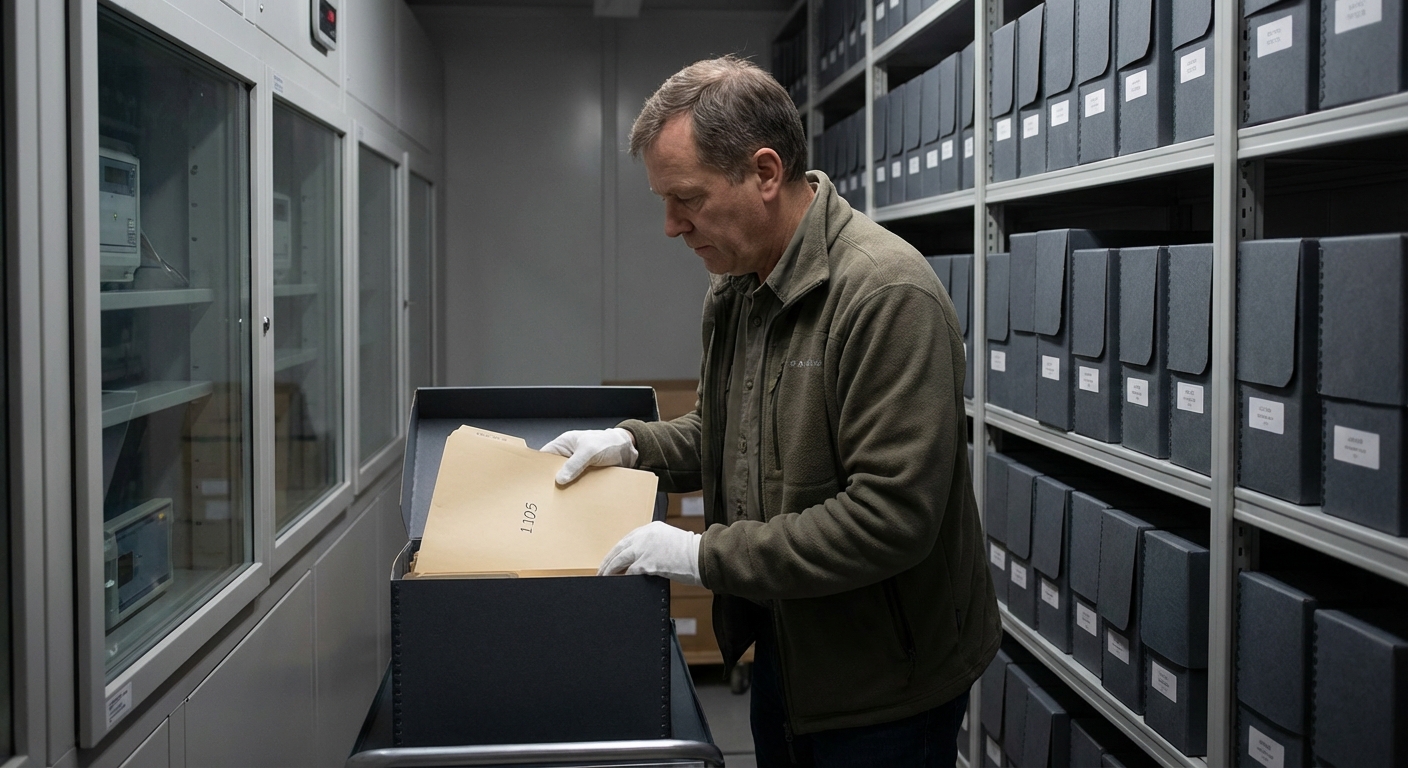
Declassification and public release: The materials were identified by the John F. Kennedy Assassination Records Review Board in the 1990s and became available through the National Archives/ARRB process; a National Archives media advisory announced an initial release of related files in November 1997. Portions of the Northwoods material were posted online by the National Security Archive and appeared in public reporting beginning in the late 1990s and early 2000s.
Why it spread: Two features encouraged broader public attention. First, the idea that U.S. military planners proposed false‑flag operations against U.S. targets is striking and readily circulated. Second, journalist and book coverage (notably James Bamford’s Body of Secrets in 2001 and contemporaneous news stories) amplified the declassified memos to a wider audience, after which the plan entered academic discussion, documentaries, and social media. The combination of an official declassified text plus dramatic descriptions in popular accounts led to recurring references in debates about government covert action and in conspiracy contexts.
What is documented vs what is inferred
Documented (supported directly by declassified records):
- The existence of a March 13, 1962 Joint Chiefs of Staff memorandum titled as a justification for intervention in Cuba; the memo and its annexes were declassified and are publicly available.
- The document lists multiple proposed “pretexts” and conceived covert actions, some described as “real or simulated” incidents that could be blamed on Cuba to build domestic or international support. The language and specific scenarios appear in the declassified text.
- The material was reviewed and released to the public as part of records handled by the Assassination Records Review Board and the National Archives in the late 1990s.
Inferred or plausibly interpreted (reasonable conclusions but not direct statements in the documents):
- That the Joint Chiefs intended these proposals to be executed exactly as written. The memos are planning documents and, historically, many military options are drafted for consideration rather than as signed execution authorizations. The record shows presentation to civilian leadership rather than presidential implementation.
- That the product represents consensus operational intent across all agencies (e.g., the CIA or White House necessarily agreed). The memorandum was produced within the JCS/DoD planning chain; it was submitted to civilian defense leadership, and there is documentary evidence indicating at least some civilian leaders did not approve implementation.
Contradicted or unsupported claims (common assertions without documentary proof):
- That Operation Northwoods was carried out — there is no evidence the specific Northwoods proposals were executed. The declassified record is a proposal; subsequent historical records indicate the plan was not implemented.
- That the Northwoods text proves unrelated later events were government false‑flag operations. Using the existence of a planning document as proof that other incidents were staged requires separate evidence; the Northwoods record alone does not prove such connections.
Common misunderstandings
- Misreading planning for action as proof of action: planning documents routinely list aggressive options that are never authorized or executed. Northwoods is a planning/proposal document, not an order to act.
- Assuming presidential approval: public and scholarly sources indicate the proposals were not adopted by the Kennedy administration as operational orders; contemporaneous memos from White House meetings record objections. Claims that President Kennedy approved or ordered Northwoods are not supported by the declassified record.
- Conflating discovery method with relevance to the JFK assassination: the files came to light through the ARRB process, which reviewed many 1962–64 records for relevance to the assassination. That administrative path explains why the documents were reviewed and released, but does not make Northwoods an assassination‑related operation.
This article is for informational and analytical purposes and does not constitute legal, medical, investment, or purchasing advice.
Evidence score (and what it means)
Evidence score: 82/100
- Direct primary source: the Joint Chiefs’ March 13, 1962 memo and annexes are preserved in official archives and published by the National Security Archive. (Strong documentary basis.)
- Provenance: the materials were identified and released through the Assassination Records Review Board and National Archives processes, which provides traceable archival provenance.
- Contemporaneous context: other Operation Mongoose and Cuba‑project records corroborate that planners sought pretexts and covert measures against Castro’s regime in 1961–1963. (Corroborating context supports interpretation.)
- Limits: the documents are proposals and planning options, not execution orders; several claims that rest on motives, later cover‑up, or secret implementation go beyond what is documented. (Score reduced for gaps between proposals and proven actions.)
- Public amplification: later popular accounts (books, articles) accurately cite the documents but sometimes frame them in ways that imply implementation; this increases public awareness but can blur the distinction between proposal and action.
Evidence score is not probability:
The score reflects how strong the documentation is, not how likely the claim is to be true.
What we still don’t know
- Which senior officials, if any, outside the immediate JCS/DoD planning chain read the full annex text before it was archived; the record shows it was presented to the Secretary of Defense, but the degree to which the President was briefed on every detail is debated in secondary accounts.
- Whether any narrower elements of the Joint Chiefs’ proposals inspired or informed covert actions elsewhere (in other programs or theaters) in ways not explicitly recorded; the archival record is incomplete on every informal influence channel.
- Claims about deliberate destruction of evidence or comprehensive cover‑ups remain contested and lack direct archival proof in the publicly released files. Some authors infer such actions; these inferences require separate documentary corroboration.
FAQ
Q: Is “What Is Operation Northwoods (Declassified Proposal)” evidence that U.S. leaders carried out false‑flag attacks?
A: No. The declassified Northwoods materials document proposed planning options and pretexts; they do not show the proposals were implemented. The archival record indicates the plan was not adopted as an execution order.
Q: Who wrote the Operation Northwoods memo and to whom was it presented?
A: The memo was prepared within the Joint Chiefs of Staff / Department of Defense planning processes and was presented to Secretary of Defense Robert McNamara on March 13, 1962; the Joint Chiefs’ cover memoranda and annexes appear in the declassified file.
Q: Why did the story become widely known only decades later?
A: The documents were identified and reviewed by the John F. Kennedy Assassination Records Review Board in the 1990s and released through National Archives processes; later book and media coverage (for example James Bamford’s Body of Secrets and reporting around 1997–2001) brought the material to broader public attention.
Q: How should readers treat claims linking Northwoods to other historical events?
A: Treat such links cautiously. Northwoods shows some planners proposed deceitful options; however, using that fact alone to prove that other, later events were staged requires independent evidence. Analysts should require direct documentary or forensic support before asserting operational continuity.

History-focused writer: declassified documents, real scandals, and what counts as evidence.