
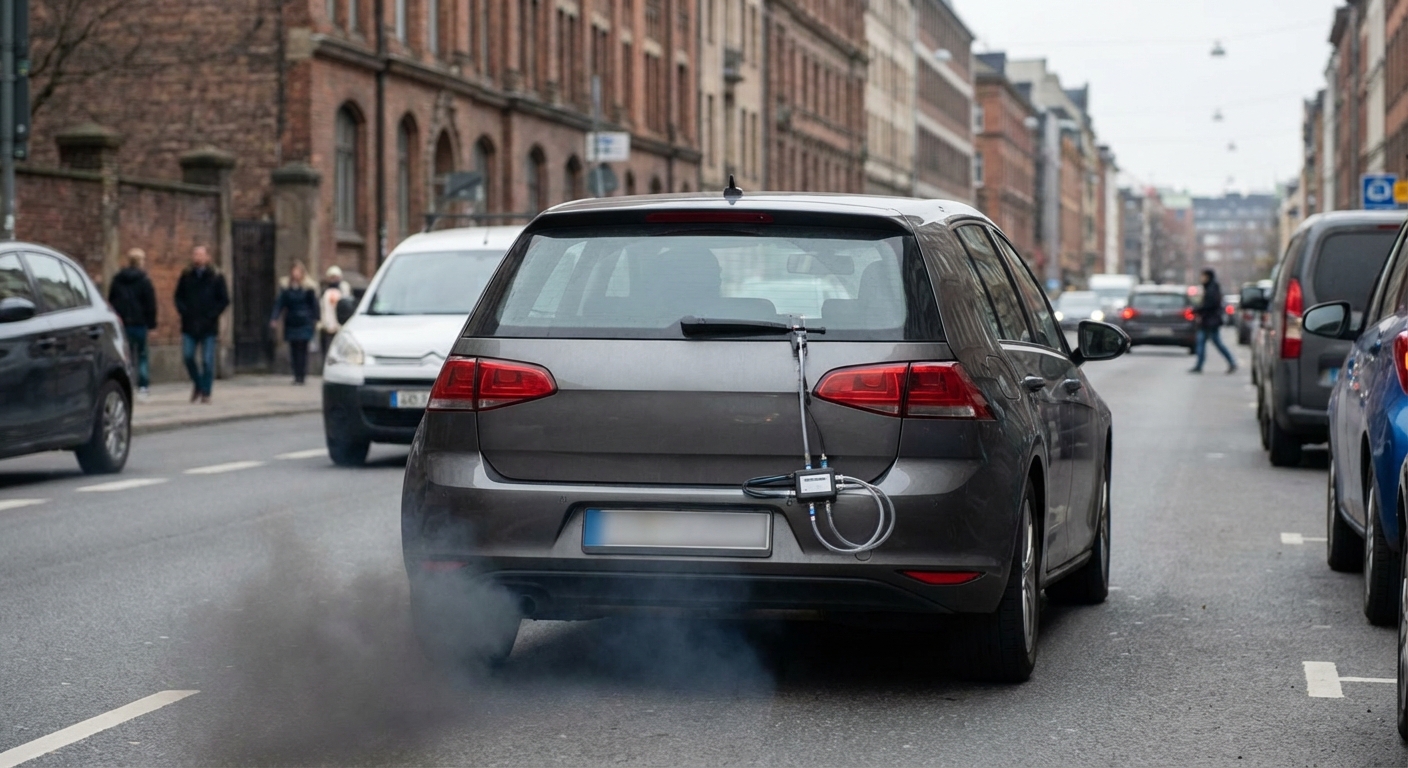
Below are the arguments people cite when discussing Dieselgate (Volkswagen Emissions Scandal). These are presented as claims cited by supporters and investigators, not as proven conclusions; each item includes the original source type and simple ways the claim can be checked.
“This article is for informational and analytical purposes and does not constitute legal, medical, investment, or purchasing advice.”
The strongest arguments people cite
-
Claim: Volkswagen installed software designed to recognize emissions testing and reduce emissions only during tests (a so-called “defeat device”). Source type: regulator notice and technical testing reports. Verification test: independent on-road emissions testing compared to laboratory dyno testing and code/firmware review.
Why people cite it: The U.S. Environmental Protection Agency publicly issued a Notice of Violation in September 2015 alleging precisely this behaviour and described the term “defeat device” and the measured discrepancies (including claims of up to 40× higher NOx in real-world driving vs lab tests).
-
Claim: Independent university testing first revealed the discrepancy between lab and on-road NOx emissions for certain VW diesels. Source type: academic / NGO-funded field tests. Verification test: review the WVU/ICCT field test data and replicate PEMS measurements on the same engine family and model years.
Why people cite it: Researchers from West Virginia University, working with the International Council on Clean Transportation, measured substantially higher NOx on the road than in lab cycles for two Volkswagen vehicles; their work is cited as a key trigger for regulatory follow-up.
-
Claim: The company’s own legal settlements and criminal plea demonstrate corporate responsibility for cheating and concealment. Source type: Department of Justice filings, court-approved settlements. Verification test: read the plea agreement, consent decrees, and judge’s approval documents.
Why people cite it: Volkswagen AG entered a guilty plea in U.S. federal court (March 2017) to counts including conspiracy and obstruction; the DOJ press release and later sentencing describe agreement terms and penalties.
-
Claim: Large consumer and remedial settlements (billions of dollars) indicate the scale and seriousness of the issue. Source type: multi-party civil settlements and court approvals. Verification test: inspect the settlement notices, amounts approved by courts, and the settlement implementation documents.
Why people cite it: U.S. settlements for the 2.0‑liter consumer program and related mitigation programs were public and large (commonly reported as roughly $10–15 billion in combined consumer remediation, mitigation trusts, and EV investment commitments). Different official summaries and filings list slightly different totals and breakdowns.
-
Claim: The problem was global in scope (millions of vehicles), implying corporate‑wide engineering / compliance issues rather than a localised defect. Source type: company disclosures, regulatory tallies, and peer‑reviewed analyses. Verification test: compare manufacturer statements, national regulator lists, and independent fleet estimates.
Why people cite it: Multiple academic and regulatory summaries estimate millions of affected vehicles worldwide (commonly cited as about 11 million vehicles sold 2008–2015), which supporters of the claim use to argue systemic practice rather than isolated mistakes.
-
Claim: Internal documents and the company’s own admissions in the agreed Statement of Facts indicate engineers were tasked with meeting performance targets that led to concealed software behaviours. Source type: DOJ agreed Statement of Facts, courtroom filings, investigative reporting. Verification test: review the Statement of Facts and cited internal documents in the prosecution record and related discovery where available.
Why people cite it: The DOJ plea and related court documents describe coordinated actions and concealment that supporters interpret as evidence of managerial direction or knowledge; however, responsibility for specific individuals has been the subject of separate prosecutions and filings.
How these arguments change when checked
Below is a short evidence-by-claim assessment that notes where documentation is strong, where interpretations rely on inference, and where sources conflict.
-
Defeat device and measured discrepancy: Strongly documented. The EPA NOV and public technical summaries, plus independent PEMS field tests, document measurable differences between laboratory and on-road NOx emissions and use the phrase “defeat device” in regulatory context. These are primary regulatory and technical sources and are directly verifiable by looking at the EPA notices and published test reports.
-
Independent discovery: Well documented as an initiating event. West Virginia University’s field program (funded by ICCT) is widely credited with revealing the gap between lab and on-road emissions that led regulators to investigate; the raw methodology and PEMS data have been described in technical write-ups and interviews with the researchers. Replication is feasible by professional emissions labs.
-
Legal admissions and settlements: Strongly documented for corporate-level responsibility in the U.S. Volkswagen AG pleaded guilty to multiple felony counts and the company agreed to criminal and civil penalties in court filings. That documentation is public (plea agreement, judicial approvals). However, civil settlement totals and the exact breakdowns reported in different outlets sometimes vary in rounding and in whether they include related state actions or separate 3.0‑liter settlements. Readers should consult the court docket and settlement documents for exact numbers.
-
Scale and managerial intent: Partly documented, partly inferential. The number of affected vehicles and the company’s public planning to refit or recall vehicles are documented, but linking those facts to intent by specific senior executives requires careful reading of prosecutorial filings and, in some cases, additional evidence; prosecutions of individuals have proceeded separately and remain subject to legal standards and appeals. Different jurisdictions and documents describe the scope differently, so count and causal inferences must be checked against primary filings.
-
Conflicts and discrepancies to note: The official U.S. EPA notices initially referred to roughly 482,000 affected U.S. cars; later filings and some DOJ summaries reference different counts (e.g., about 590,000 in some court documents). Settlement totals are also reported as up to $14.7 billion in some DOJ materials and about $15.3 billion in other summaries depending on what is included. These differences reflect how regulators, prosecutors, and civil plaintiffs grouped claims and what each public statement chose to include; they are not, by themselves, evidence that the core technical claim is false but they do show the importance of consulting the original filings for precise figures.
Evidence score (and what it means)
Evidence score: 88 / 100
- Driver 1 — Direct regulatory action: EPA Notices of Violation and court filings are primary legal documents documenting the alleged behaviour.
- Driver 2 — Independent technical verification: University on‑road testing documented clear lab vs. road discrepancies that triggered the regulatory inquiry.
- Driver 3 — Public corporate remedies: Large, court‑approved settlements and a corporate guilty plea in U.S. federal court provide a high level of documentary confirmation of wrongdoing at the corporate level.
- Driver 4 — Remaining uncertainty: Exact counts by jurisdiction and individual-level criminal responsibility remain partially unresolved and vary across filings, lowering the score from a perfect 100.
Evidence score is not probability:
The score reflects how strong the documentation is, not how likely the claim is to be true.
FAQ
Q: What exactly does the phrase Dieselgate (Volkswagen Emissions Scandal) refer to?
A: The phrase is commonly used to describe the 2015 regulatory discovery and subsequent legal response to software installed in certain Volkswagen, Audi and Porsche diesel vehicles that regulators say caused those cars to meet emissions limits in laboratory tests but to emit substantially more NOx in normal driving. Primary regulatory notices and subsequent DOJ filings document the core allegations and legal outcomes.
Q: How do we know the emissions were higher on the road than in the lab?
A: Independent portable emissions measurement system tests, notably work coordinated by the International Council on Clean Transportation and carried out by researchers at West Virginia University, measured NOx emissions during real driving and found values much higher than lab dyno tests for the same vehicles and engine families. These technical findings were publicly documented and cited by regulators.
Q: Do legal settlements prove every allegation people make about Dieselgate?
A: No. Court-approved settlements, guilty pleas, and penalties document corporate admission of wrongdoing at an organizational level and resolve many civil claims, but they do not by themselves establish every factual or causal detail asserted in secondary commentary. Individual-level responsibility, precise health impact calculations, or engineering causation for every model year may require separate evidence beyond settlement texts. Consult the plea agreement and settlement documents for exact terms.
Q: If sources report different numbers of affected vehicles or settlement totals, which should I trust?
A: Trust primary documents where possible: EPA notices, court dockets, the DOJ plea agreement, and the text of settlements contain the authoritative figures and definitions. Secondary summaries and news reports sometimes aggregate or round figures differently (for example, U.S. counts reported as ~482,000 in EPA notices vs. different totals in some court summaries). When totals differ, consult the originating regulatory or court filing cited in that report.
Q: Where can I read the primary documents mentioned here?
A: Useful primary documents include the EPA’s Notice of Violation and enforcement pages, the DOJ press releases and plea agreement, and the court-approved settlement and consent decree texts for the U.S. consumer program. The ICCT and the West Virginia University research write-ups describe the technical testing that prompted the initial inquiries. Links to these primary sources are available through regulator and government websites.

History-focused writer: declassified documents, real scandals, and what counts as evidence.