
This timeline examines claims about the Watergate Scandal (1972–1974) by assembling primary documents, official rulings, and contemporary reporting so readers can see which dates and items are documented, which points remain disputed, and where evidence is insufficient to prove specific allegations. The article focuses on documented records (court opinions, White House tapes and transcripts, congressional reports) and high-trust reporting; where sources disagree, those conflicts are noted.
This article is for informational and analytical purposes and does not constitute legal, medical, investment, or purchasing advice.
Timeline: key dates and turning points — Watergate Scandal (1972–1974)
- June 17, 1972 — Break‑in and arrests: Five men were arrested inside the Democratic National Committee offices at the Watergate complex after a security guard discovered taped door latches; they were found carrying surveillance equipment and cash. Contemporary reporting and later reference works document the arrests and the identities of those detained.
- September 1972 — Indictments and investigation linkage: Federal grand jury actions and subsequent reporting tied several defendants to the Committee for the Re‑Election of the President and to individuals with CIA or security backgrounds; indictments and later trial records record those links. (See federal indictment and press contemporaneous coverage.)
- January–April 1973 — Early prosecutions, resignations, and special prosecutor appointment: Trials and guilty pleas of some conspirators proceeded in early 1973. High‑level White House resignations (including H.R. Haldeman and John Ehrlichman) were publicly announced on April 30, 1973. Shortly afterward, Archibald Cox was appointed special prosecutor to pursue the criminal and grand‑jury aspects of the case. These personnel and prosecutorial milestones are recorded in White House records and press archives.
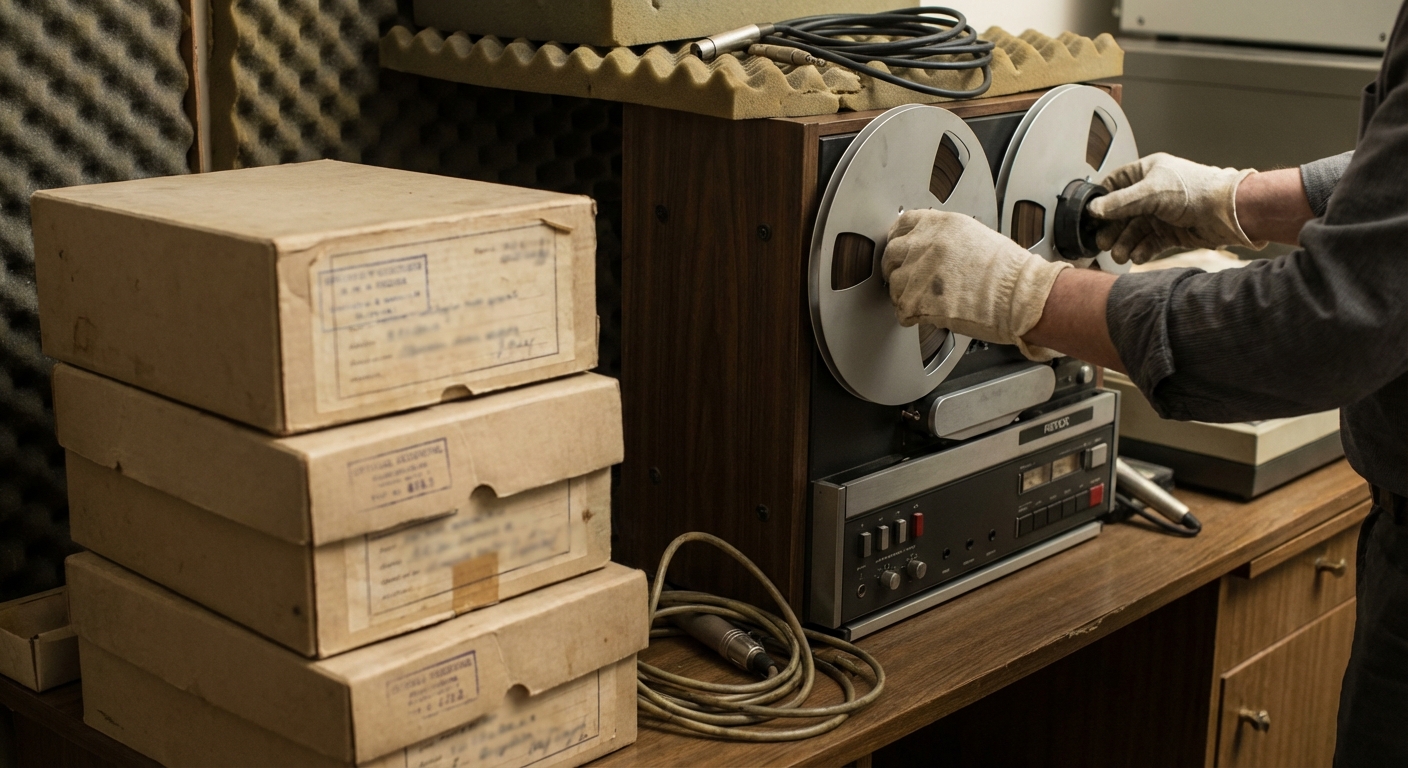
- May–August 1973 — Senate Watergate Committee public hearings and discovery of taping system: The Senate Select Committee (the Ervin committee) held widely televised public hearings beginning in mid‑May 1973; testimony by insiders (including John Dean in late June) helped draw public attention. During these hearings, Alexander Butterfield disclosed the existence of an automatic White House recording system, which shifted the inquiry toward taped evidence.
- October 20, 1973 — ‘Saturday Night Massacre’ (executive branch firings and resignations): President Nixon ordered the dismissal of Special Prosecutor Archibald Cox; Attorney General Elliot Richardson and Deputy Attorney General William Ruckelshaus resigned rather than carry out the order, and Solicitor General Robert Bork then fired Cox. This event is documented in press reporting and Justice Department records and dramatically escalated political pressure.
- April–May 1974 — Subpoenas and partial transcripts: By spring 1974, prosecutors and Congress had obtained many edited transcripts and some transcripts were released publicly, while the President resisted handing over original tapes and full records, citing executive privilege. Those edited transcripts and the dispute over tapes are recorded in court filings and congressional records.
- July 24, 1974 — United States v. Nixon (Supreme Court order): The U.S. Supreme Court unanimously ruled that the President must produce subpoenaed tapes and documents to the federal courts; the Court rejected an absolute presidential privilege to withhold evidence in a criminal trial. The opinion and its date are a primary legal source for the timeline.
- August 5, 1974 — Release of key tape transcripts (the ‘Smoking Gun’): Following the Supreme Court order and continued legal pressure, the White House released transcripts (and later recordings) of a June 23, 1972 Oval Office conversation between President Nixon and H.R. Haldeman in which they discussed steps to limit the FBI investigation—an item widely discussed as the ‘Smoking Gun’ tape. Archival transcripts and the trial exhibit descriptions document the content and date of that recording.
- July 27–30, 1974 — House Judiciary Committee votes articles of impeachment: The House Judiciary Committee approved articles charging obstruction of justice, abuse of power, and contempt of Congress; committee reports and the adopted articles are preserved in congressional records.
- August 8–9, 1974 — Nixon announces resignation and leaves office: As Congressional support collapsed after tape releases and the impeachment process advanced, President Nixon announced his resignation on August 8, effective at noon on August 9; his resignation address and the timing are documented in presidential archives and press transcripts.
- Post‑resignation prosecutions and pardons (1974 onward): After the resignation, numerous indictments, pleas, and convictions of administration aides and campaign operatives were obtained; President Ford granted Richard Nixon a full pardon in September 1974. Legal records and subsequent reporting document prosecutions and the pardon.
Where the timeline gets disputed
When readers examine public claims about the Watergate timeline, disputes commonly arise around at least three categories of issues:
- Who authorized the break‑ins: The question of who specifically ordered the June 1972 break‑in and to what degree higher‑level officials directly authorized it has been treated differently across court filings, indictments, and later memoirs. Criminal indictments and trial records implicate campaign operatives and senior aides; some sources emphasize centralized authorization while others point to a mix of campaign operatives and rogue activity. Primary documents (indictments, trial exhibits) support parts of the connection, but personal memoirs and retrospective accounts sometimes conflict.
- Interpretation of taped conversations: The taping system and many tapes/transcripts are preserved in the National Archives and Nixon Library; the contents of particular tapes (for example June 23, 1972) are documented, but interpretation—what a short phrase or passage implies about intent—has produced debate among historians and commentators. Sources document the words; interpretation of intent is where historians and lawyers diverge.
- Missing or altered material: The 18½‑minute gap in an Oval Office tape recording (June 20, 1972) and questions about edited transcripts have spawned disputes about whether material was destroyed, intentionally erased, or inadvertently lost. The gap and the edited nature of some released transcripts are documented; the motivations and technical causes remain disputed in some accounts.
- Extent of CIA or FBI involvement beyond documented contacts: Declassified agency materials and later releases indicate some CIA contacts with at least one burglar; however, the scope and official knowledge within agencies remains debated, with some documents released later clarifying roles and other questions still subject to differing readings of partial records. Where agency files and court evidence exist, they are cited below; where records are absent or redacted, credible dispute remains.
Evidence score (and what it means)
-
- Evidence score: 88 out of 100.
- Score drivers:
- Strong primary documentation: Supreme Court opinion (United States v. Nixon), published White House tape transcripts, and official congressional committee reports provide high‑quality primary sources.
- Contemporaneous reporting and grand jury/indictment records corroborate many timeline events (arrests, indictments, trials).
- Archival tape collections exist and are accessible (Nixon Library / NARA), reducing reliance on single secondary accounts.
- Document gaps and redactions (e.g., missing minutes, edited transcripts, the 18½‑minute gap) prevent a perfect score and leave some causal questions open.
- Differing interpretations of the same documents by historians, legal analysts, and participants produce documented disputes even where the primary text exists.
Evidence score is not probability:
The score reflects how strong the documentation is, not how likely the claim is to be true.
FAQ
Q: What is this page about, and where do the dates come from?
A: The page covers the Watergate scandal between 1972 and 1974. The timeline is grounded in well-documented sources: the U.S. Supreme Court ruling in United States v. Nixon, official tape transcripts and archival records held by the Nixon Library and the National Archives, as well as careful reporting from the period by outlets such as The Washington Post. These materials together support the dates and sequence described.
Q: Are the White House tapes authentic and available?
A: Many White House tapes were authenticated, catalogued, and have been released in chronological batches by the Nixon Library and NARA; transcripts and audio for a large set of conversations (including those played in court) are accessible through archival finding aids. Some tapes remain partially restricted or were released in edited form at different times; those limitations are documented in the archival records.
Q: Does the ‘Smoking Gun’ tape prove criminal intent?
A: The June 23, 1972 recording commonly called the ‘Smoking Gun’ documents a conversation in which Nixon and Haldeman discuss efforts to limit the FBI’s inquiry. The tape is strong documentary evidence that the President discussed measures to impede the investigation; whether that evidence amounts to legal guilt for specific charges was a matter for courts and Congress at the time, and legal interpretation varies. The tape’s existence and content are documented in archival transcriptions and trial exhibits.
Q: Why did Nixon resign if he was never formally convicted?
A: Nixon resigned after losing effective congressional support following the release of key tapes and the House Judiciary Committee’s votes to adopt articles of impeachment; facing near‑certain impeachment in the House and probable conviction in the Senate, he chose to resign. The timing of the resignation and the committee votes are recorded in congressional records and contemporary reporting.
Q: What significant documentary gaps remain that affect the timeline?
A: Noted gaps include the 18½‑minute erased segment on an Oval Office tape and instances of edited transcripts or redactions in early releases. While many tapes and documents have since been released or declassified, those gaps and edits mean some causal or motive questions retain uncertainty. Where agency records have been declassified later, they sometimes clarify earlier uncertainties; other items remain partially redacted.
Q: Where can I find the definitive primary sources cited here?
A: Major primary sources used in this timeline include: the U.S. Supreme Court opinion in United States v. Nixon (July 24, 1974) for the legal ruling on tapes; the Nixon White House tape finding aids and trial exhibit transcripts held by the Nixon Library and National Archives; congressional committee reports and the House Judiciary Committee’s published articles of impeachment; and contemporaneous reporting archived by outlets such as The Washington Post. Links to those archives and documents are cited throughout this article.

History-focused writer: declassified documents, real scandals, and what counts as evidence.