
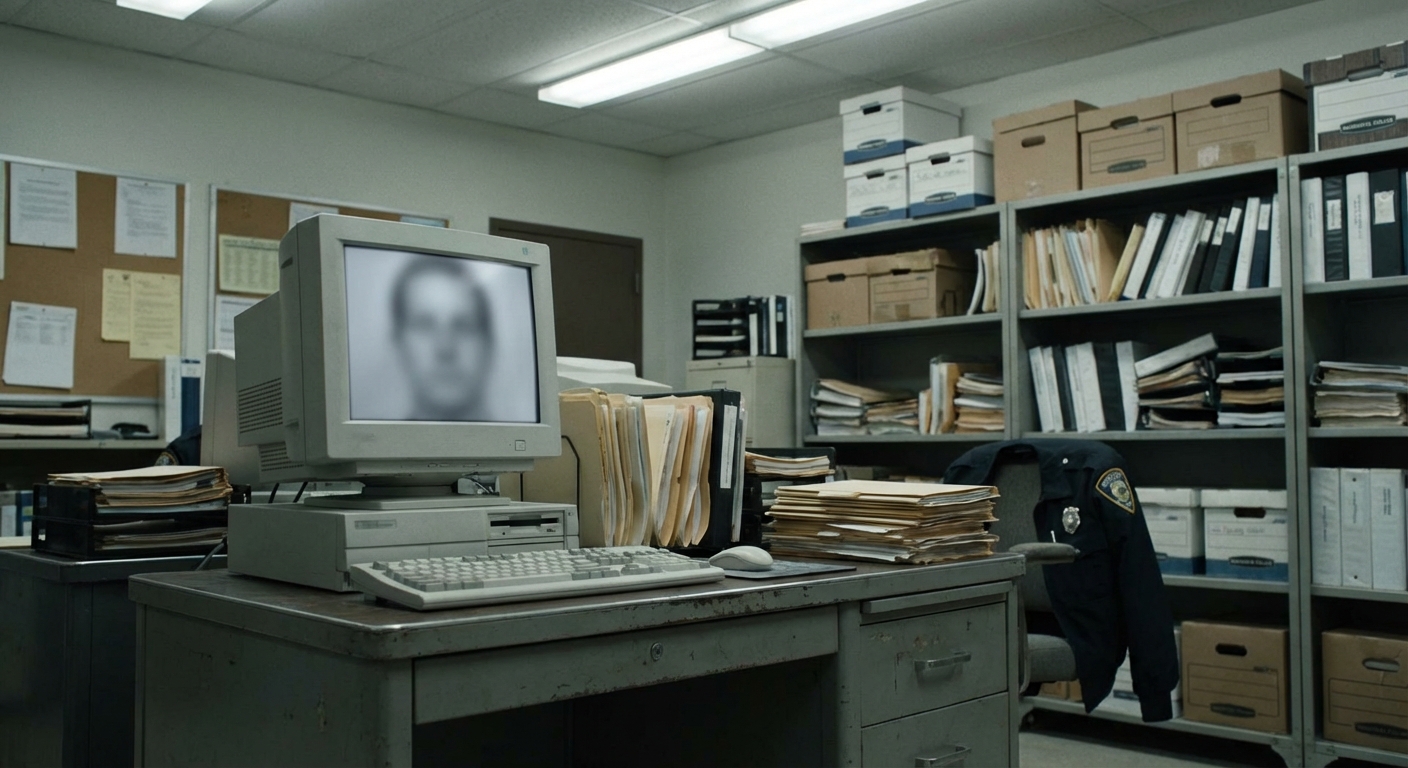
Intro: scope and purpose. This timeline examines the “Facial Recognition ‘Everywhere'” claim as a disputed claim about the geographic spread, institutional reach, and public visibility of face recognition systems. It assembles primary documents, government testimony, technical reports, and major media and legal turning points so readers can see which steps are documented, which are inferred, and where major disagreements remain.
Timeline: key dates and turning points for the Facial Recognition Everywhere claim
- 1991 — Academic breakthrough: “Eigenfaces” and practical face recognition. The eigenfaces method and early real-time face-recognition systems were described by Matthew Turk and Alex Pentland in a widely cited Journal of Cognitive Neuroscience paper, establishing a practical algorithmic foundation for automated face recognition. This work is often cited as the starting point for modern computer-based facial identification systems.
- 1999 — FBI launches IAFIS (fingerprint system); groundwork for biometrics consolidation. The FBI’s Integrated Automated Fingerprint Identification System launched in 1999 and later served as infrastructure precedent for adding other biometric modalities; the FBI later described Next Generation Identification as the successor project to extend biometrics capacity. The expansion of centralized biometric systems is a documented institutional turning point.
- 2013–2019 — Rapid algorithmic improvement documented by NIST. National Institute of Standards and Technology face-recognition evaluations (FRVT series) documented dramatic accuracy improvements across commercial algorithms between 2013 and 2018–2019, and also quantified demographic performance differences that drew policy attention. These technical reports are primary sources cited when claims emphasize that algorithms are now accurate enough to be widely deployed.
- 2014 — FBI launches the Interstate Photo System as part of NGI (publicly reported). The FBI announced an Interstate Photo System capable of automated searches across a large mugshot repository in 2014; press coverage and FBI materials documented that NGI/IPS introduced large-scale image search capabilities to law enforcement systems. Civil-society groups raised privacy and scope concerns after disclosures about non-criminal images in such repositories.
- January 2020 — Investigative reporting publicizes a private scraping-based vendor (Clearview AI). A major investigative report and subsequent follow-ups revealed that a private company had built a multi‑billion‑image database by scraping publicly posted photos from social platforms and news sites, and that hundreds of U.S. law-enforcement customers were using its search tools; the story accelerated public debate about how widely searchable face databases could be. The reporting prompted cease-and-desist letters from major platforms and multiple lawsuits.
- 2020–2022 — Congressional and oversight hearings; public agencies face scrutiny. Multiple Congressional hearings and briefings (House Homeland Security, House Judiciary subcommittee hearings) examined DHS and law-enforcement uses of facial recognition and requested better transparency and guidance — documenting that federal agencies were deploying face-recognition tools and prompting policy-level scrutiny.
- 2020–2024 — Litigation, state law responses, and settlements. The private-scraping vendor and other firms became the focus of state consumer-privacy and biometric‑privacy litigation (for example under Illinois’ BIPA). Over time these suits produced settlements and court rulings restricting some commercial uses and drawing state objections to settlement terms; news coverage and court filings document the legal pathway and continuing disputes over remedies.
- 2021–2024 — Regulatory debates and EU-level proposals. European data-protection bodies and the EU policy process debated remote biometric identification in public spaces; advisory bodies called for strict limits or moratoria while the European Commission proposed AI Act rules that would treat some remote biometric identification as high-risk or restricted. These policy documents and statements document an international regulatory turning point.
- 2023–2025 — Continued technical testing, national reporting, and contested settlements. NIST and other technical bodies continued open evaluations (for example, FIVE 2024) to test video and degraded-image performance; meanwhile, press and court records show ongoing controversy over large vendors, new settlements, and state-level bans or disclosure laws. Multiple sources show that technological capability, actual operational practice, and legal constraints are moving in different directions rather than uniformly expanding into omnipresent public surveillance.
Where the timeline gets disputed
What people mean by the “Facial Recognition Everywhere” claim varies, and that variation explains much disagreement. Disputes fall into three common categories:
- Scope disputes: whether “everywhere” means ubiquitous commercial availability (tools anyone can buy), dominant public‑space surveillance (cameras plus real‑time ID across cities), or routine use by police in investigations. Official records show substantial adoption by law enforcement and private vendors, but they do not prove universal, real‑time public‑space identification in most cities. Congressional testimony and agency materials document law‑enforcement programs, but do not demonstrate truly universal public deployment.
- Capability disputes: proponents point to NIST reports documenting major accuracy gains as evidence that deployments are now reliable; critics note NIST also documented demographic differentials and limits in degraded images, and field errors and wrongful‑arrest stories (reported in journalism and court filings) show operational mistakes persist. These technical results and real‑world incidents are both documented but point to different conclusions about operational readiness.
- Data-sourcing disputes: the Clearview reporting and subsequent legal records document that at least one private firm scraped very large numbers of images and sold access to law enforcement; however, whether that practice equates to an “everywhere” condition depends on state law, platform terms, enforcement of takedown/removal, and whether other vendors replicate the same reach. The legal record and media coverage document the practice and its limits, while states and platforms continue to dispute remedies.
In short: the primary documents and hearings show significant growth in capability and institutional use, but they do not uniformly document that facial recognition has become literally omnipresent in all public spaces. Different sources emphasize capability, pockets of wide access, or legal pushback — and those emphases explain why the claim is contested.
This article is for informational and analytical purposes and does not constitute legal, medical, investment, or purchasing advice.
Evidence score (and what it means)
- Evidence score: 62 / 100
- Drivers: multiple high‑quality primary documents (NIST technical reports, FBI/NGI program descriptions, Congressional hearing transcripts) document capability improvements and agency use.
- Drivers: major investigative reporting and court filings document large private data‑collection practices (e.g., Clearview) and resulting legal actions; those records are primary sources for claims about broad scraping.
- Drivers: documented counterevidence and constraints — documented demographic differentials, documented wrongful‑arrest incidents, state bans, and contested settlements — reduce confidence that the claim describes a uniform, global reality.
- Drivers: significant disagreement exists between sources (industry/NIST accuracy gains vs. civil‑liberties groups’ field reports), which lowers the score because documentation supports multiple, inconsistent interpretations.
Evidence score is not probability:
The score reflects how strong the documentation is, not how likely the claim is to be true.
FAQ
Q: What exactly is the “Facial Recognition Everywhere” claim?
A: The phrase refers to the assertion that face recognition systems are so widespread — in cameras, databases, and routine identification — that people can be identified by face virtually anywhere. This article treats that phrasing as a claim and examines documentary support and disputes rather than assuming the claim is true.
Q: How well does the primary evidence support the Facial Recognition Everywhere claim?
A: Primary evidence (agency reports, NIST tests, investigative reporting, and court records) documents substantial growth in technical capability and institutional adoption, and proves the claim in part (widespread agency adoption and large private image collections). However, the same sources also document limits, errors, legal pushback, and regional bans, so evidence does not uniformly support a literal reading of “everywhere.”
Q: Are the claims about accuracy overstated?
A: NIST shows major algorithmic improvements, and the best algorithms perform well under certain conditions; but NIST also documented demographic differentials and poorer performance in degraded images. Journalistic case studies document operational errors in real investigations. The result: accuracy claims are partially supported but overstated if they ignore documented demographic and operational limits.
Q: If the evidence conflicts, which sources should I read first?
A: For technical capability read primary NIST FRVT and FIVE program documents; for agency practice read FBI/NGI materials and Congressional hearing transcripts; for vendor behavior and legal consequences read investigative reports plus court filings and settlement documents. Our timeline links to representative primary sources cited above.
Q: Will more documents settle this claim?
A: Additional disclosures (agency usage logs, vendor contracts, platform takedown compliance records), independent operational audits, and standardized reporting requirements would materially reduce uncertainty. Absent uniform disclosure standards, the evidence will remain a mix of strong technical reports, partial operational records, and contested legal claims.

Tech & privacy writer: surveillance facts, data brokers, and what’s documented vs assumed.