
This article examines the claim known as “Cicada 3301”: an anonymous, recurring set of online puzzles that many treat as a recruitment test or a secret‑group initiative. We summarize the claim neutrally, show what is documented in reporting and primary artifacts, separate clear evidence from inference, and flag contradictions in public sources.
What the claim says
The core claim about Cicada 3301 is that an anonymous group (signed “3301”) posted exceptionally complex puzzles beginning in January 2012 to identify and recruit “highly intelligent individuals” with skills in cryptography, steganography and data security. Followers of the claim say the puzzles progressed from hidden messages in image files to global, real‑world clues and — for some solvers — an invitation into a private forum or project. Reporting and interviews with people who solved early puzzles describe recruitment‑style follow‑ups, though the group’s ultimate purpose and membership remain disputed.
Where it came from and why it spread
The first widely documented public appearance was a short image posted to an imageboard in January 2012 that said, “We are looking for highly intelligent individuals… There is a message hidden in this image.” Solvers used steganography tools and other techniques to extract additional clues; later rounds (2013–2014) repeated the pattern and introduced the “Liber Primus” material. Media coverage, solution communities (IRC channels, Reddit, Wikis), and the puzzles’ mix of technical, literary and real‑world clues amplified interest and participation. News outlets characterized the puzzles as unusually elaborate and repeatedly covered the hunt, which helped the story spread across tech and mainstream audiences.
What is documented vs what is inferred
Documented (verified source material and first‑hand reporting):
- The initial puzzle posts and the pattern of subsequent puzzle releases in 2012, 2013 and 2014 are documented in contemporaneous reporting and puzzle archives.
- Public, PGP‑signed messages attributed to “3301” exist (for example, a Pastebin post in April 2017 advising: “Beware false paths. Always verify PGP signature from 7A35090F”). Those signed artifacts are primary evidence about communications that claim to be from the group.
- Journalistic interviews with people who participated or claimed to have reached later stages (for example, profiles in Rolling Stone and WNYC) report that some solvers were contacted and invited to a private space or asked to complete projects consistent with recruitment‑style vetting. These are first‑person journalistic accounts, not organizational claims of public membership.
Inferred or plausible but unproven:
- That Cicada 3301 is/was an organized secret society, a government recruitment program, or a commercial campaign is speculative. Multiple reputable outlets record these as widely circulated theories, but no public, verifiable organizational records tie Cicada to a named government agency, corporation, or established secret society.
- That the puzzles’ global physical posters and phone numbers require substantial funding and coordination — this is plausible (and often cited to argue institutional backing) but does not prove a specific sponsor or identity. The physical drops are documented; their funder(s) are not.
Contradicted or unsupported claims:
- Repeated online assertions that Cicada is definitively the CIA, MI6, NSA, or another named agency remain unsupported by public documentation; reputable reporting treats those attributions as speculation rather than proven fact.
- Incidents after 2014 where other groups used the “Cicada” name (for example, unrelated hacking claims) were explicitly denied by the group using the verified PGP key. Those later uses do not document continuity with the original puzzle group. The April 2017 PGP message explicitly warns against false paths and to verify signatures.
Common misunderstandings
- “If it was sophisticated, it must be a government program.” Misunderstanding: Complexity and global coordination can suggest institutional resources, but do not identify a particular sponsor. Independent reporting shows sophisticated community effort and some offline coordination, but no public agency has claimed authorship.
- “All winners joined a secret cabal.” Misunderstanding: Several solvers report private correspondence or forum access; those reports describe projects or requests for statements of values, not public rosters or corroborated evidence of a named, centralized cabal. Journalism treats those reports as interview material from individuals rather than independent proof of an organized, ongoing society.
- “Any later puzzle using the logo is authentic.” Misunderstanding: The group posted a PGP‑signed message warning about false puzzles and instructing solvers to verify signatures; unsigned puzzles circulating after the core years are not automatically authentic. Verifying cryptographic signatures is the accepted method used by solvers to assess authenticity.
This article is for informational and analytical purposes and does not constitute legal, medical, investment, or purchasing advice.
Evidence score (and what it means)
Evidence score: 46 / 100
- Primary artifacts exist: original puzzle posts, searchable archives, and a verified PGP‑signed message (strengthening the record that an identifiable actor published material).
- Direct reporting from named journalists and interviews with named/anonymous solvers provide first‑hand accounts (moderate quality but partly anecdotal).
- Key causal claims (who organized Cicada, why they did it) lack corroborating documents or public organizational records (lowers score).
- Several plausible alternative explanations exist (ARG, private cypherpunk project, criminal misuse of brand), and sources differ on the most likely scenario (source conflict reduces confidence).
Evidence score is not probability:
The score reflects how strong the documentation is, not how likely the claim is to be true.
What we still don’t know
Despite solid documentation of the puzzles themselves and some first‑hand accounts, critical unknowns remain: the true identities of the organizers, whether the project continued as an organized group after 2014, the long‑term purpose of any private collaboration, and whether any publicized later uses of the Cicada name are connected to the original creators. Sources conflict on motive and membership; responsible analysis stops where public evidence ends.
FAQ
What is Cicada 3301?
“Cicada 3301” refers to an anonymous series of puzzles that first appeared publicly in January 2012 and resurfaced in 2013 and 2014. The puzzles combined steganography, cryptography, literature references and physical clues; the public materials and multiple news reports document the puzzles and some solver accounts, but do not prove a particular organizational identity.
Did Cicada 3301 recruit people for intelligence agencies?
There is no public, verifiable evidence that Cicada 3301 was an official recruitment program for an intelligence agency. Several media outlets and commentators have suggested that possibility as one of many hypotheses, but that remains speculative in the absence of agency confirmation or independent records. Responsible reporting treats those attributions as unproven.
Can I trust puzzles labeled “Cicada 3301” that appear now?
Solvers use cryptographic verification (PGP signatures) to check authenticity. The group has a known PGP key and posted a signed message in 2017 warning solvers to verify signatures; unsigned or differently‑signed puzzles should be treated as unauthenticated.
What is the Liber Primus and has it been solved?
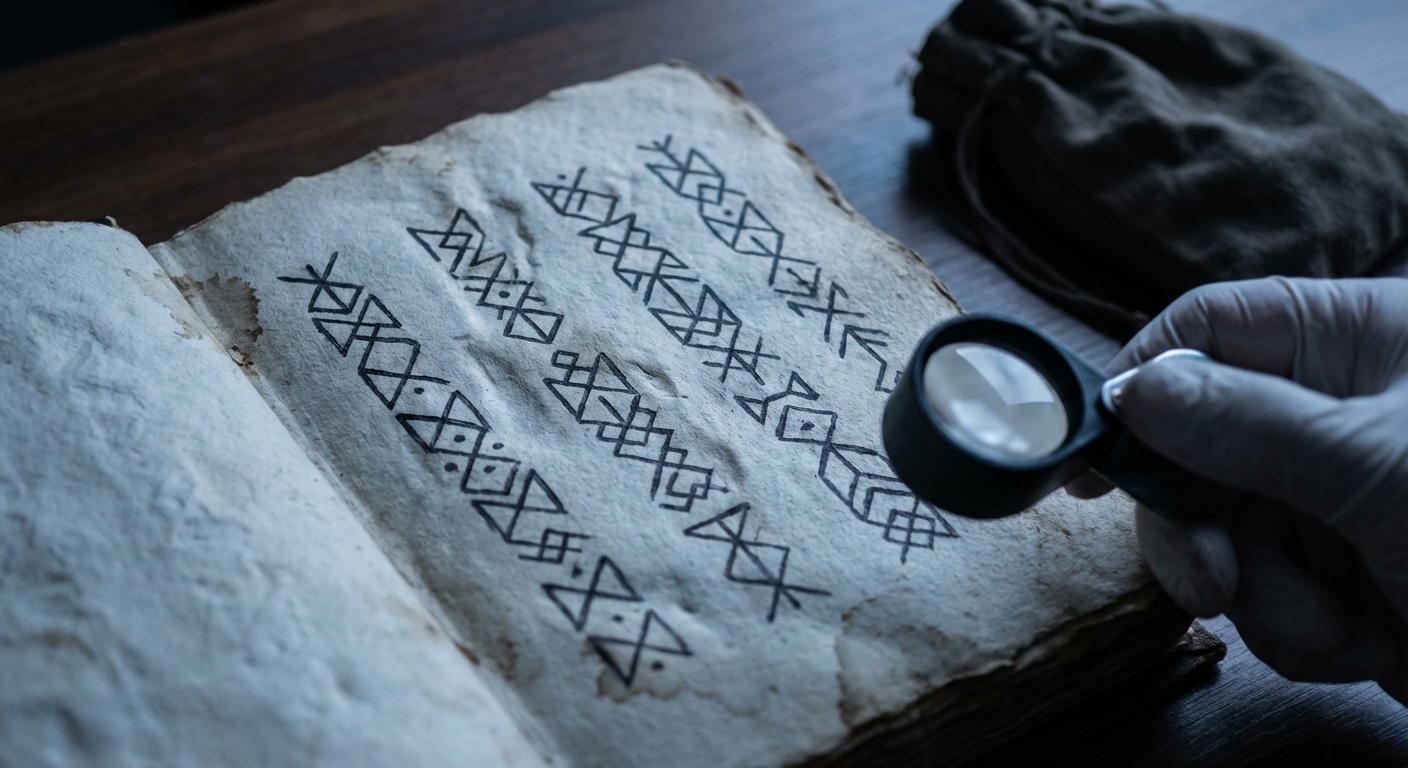
Liber Primus is a set of runic pages released during the 2014 cycle; only portions have been decoded and much remains unsolved. The existence and partial decryption are documented by solver communities and media coverage; the full meaning and next steps have not been publicly demonstrated.
Where can I find primary sources to check these claims myself?
Primary materials include archived puzzle images and posts, solver‑maintained Wikis, and the PGP‑signed messages hosted on sites like Pastebin. Major news features (Rolling Stone, Guardian, WNYC/New Tech City) contain interviews with solvers and context for the documented events. Links in this article point to those sources for verification.

Myths-vs-facts writer who focuses on psychology, cognitive biases, and why stories spread.