
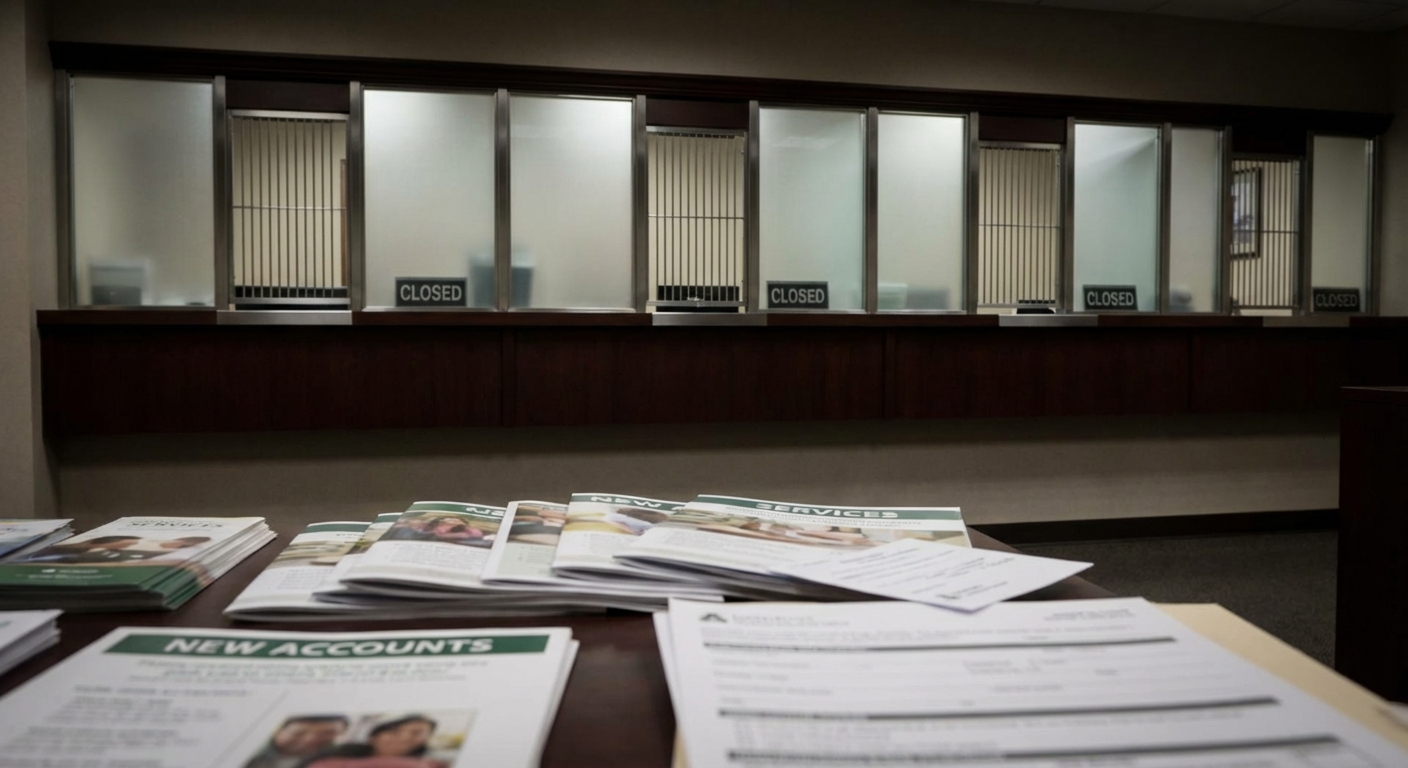
This timeline examines the claim known as the Wells Fargo Fake Accounts Scandal and compiles primary documents, regulator actions, and news reporting to map key dates and turning points. It focuses on documented filings and official statements about alleged unauthorized account openings and related enforcement actions, using the phrase Wells Fargo fake accounts scandal timeline to guide readers to primary sources and to show where evidence is clear and where it remains disputed.
Timeline: Wells Fargo fake accounts scandal timeline — key dates and turning points
- Pre-2011 (reported origins and alleged long-running practices) — Reporting and later internal reviews referenced behavior and sales targets dating back several years; some lawsuits and plaintiffs’ filings have alleged misconduct stretching back to the 2000s. These earlier timeframes were later a subject of expanded reviews. (source types: investigative journalism, internal review summaries, legal filings).
- May–July 2016 — Initial revelations and public enforcement — News coverage and regulator inquiries intensified after internal reports and whistleblower complaints; the CFPB and other agencies investigated alleged unauthorized account openings and improper sales practices. The CFPB issued a public enforcement action in September 2016 related to the practice of opening accounts without customer consent. (source types: regulatory press releases, news reporting).
- September 8, 2016 — CFPB consent order (public enforcement action) — The Consumer Financial Protection Bureau issued a consent order against Wells Fargo Bank, N.A. finding unlawful employee conduct that led to unauthorized accounts and ordering remediation and consumer refunds. The formal consent order is publicly available. (source type: regulatory consent order).
- Late 2016 — Congressional and public hearings — Wells Fargo executives, including then-CEO John Stumpf, testified before the Senate Banking Committee about the alleged account openings and sales practices; hearings and testimony were widely reported and archived. (source type: congressional hearing coverage and transcripts).
- April 2017 — Independent board review released — An independent review commissioned by Wells Fargo’s board concluded that sales pressures and incentives contributed to improper account openings; it recommended changes and provided a baseline for remediation actions. (source type: independent internal-review summary released by the company and reported by media).
- August 2017 — Expanded third‑party account review announces ~3.5 million potentially unauthorized accounts — Wells Fargo completed an expanded third‑party review covering accounts from January 2009 through September 2016 and reported approximately 3.5 million potentially unauthorized consumer and small‑business accounts; the bank also increased its estimate of customers who paid improper fees. (source types: company press release, financial press).
- 2018 — Federal Reserve growth restriction and OCC action — The Federal Reserve restricted Wells Fargo’s ability to grow its total consolidated assets until the bank strengthened governance and risk controls. Separately, the Office of the Comptroller of the Currency assessed a $500 million civil money penalty tied to unsafe or unsound practices linked to the broader misconduct. (source types: Federal Reserve action, OCC press release).
- February 21, 2020 — DOJ and civil resolutions totaling approximately $3 billion — Wells Fargo entered settlements with the U.S. Department of Justice and related civil authorities to resolve criminal and civil investigations tied to sales practices, including falsified records and unauthorized account openings; the public DOJ announcement describes the scope and amounts. (source type: DOJ press release).
- 2017–2020 — Ongoing civil litigation, mediation, and remediation — Class actions, individual claims, free mediation programs, and remedial efforts continued; Wells Fargo reported refunds and remediation payments and offered dispute resolution mechanisms. (source types: company statements, court filings, media summaries).
- 2024–2025 — Regulatory lifting or modifying of certain consent orders and restrictions — Regulators in recent years (including the OCC and the Federal Reserve) announced termination or easing of some consent orders and restrictions tied to the 2016 enforcement actions after the bank implemented corrective measures; coverage noted these changes as regulatory milestones. (source types: regulator notices, press coverage).
Where the timeline gets disputed
Multiple aspects of the claim labeled the “Wells Fargo Fake Accounts Scandal” remain disputed among sources; important areas of disagreement include:
- Exact number of unauthorized accounts: Wells Fargo’s expanded third‑party review reported roughly 3.5 million potentially unauthorized accounts, while some plaintiffs’ lawyers, media accounts, and later reporting have cited different totals or framed the figure differently (for example, distinguishing “potentially unauthorized” from proven unauthorized). The discrepancy often reflects differing methodologies, scopes (dates reviewed), and definitions used by investigators versus plaintiffs.
- Timeframe of misconduct: Sources vary on when problematic practices began and ended. Company reviews and regulatory orders emphasize periods covered by specific consent orders (commonly 2011–2016), while litigation and investigative reporting sometimes cite earlier or broader time windows. This affects counts and responsibility assessments.
- Nature of customer harm: There is documented evidence of refunds, fees charged, and customer complaints, but disagreement exists about how many customers suffered measurable financial harm versus having accounts opened that did not result in fees or demonstrated loss. Official orders required remediation, but the scope of material customer harm is treated differently across sources.
- Interpretation of internal vs. external findings: Company‑commissioned reviews, regulator findings, and independent media investigations sometimes reach different emphases (e.g., causes attributed to incentives vs. lack of controls). When sources conflict, they are rooted in differing access to records, witness testimony, or definitions — and should not be conflated without checking the original documents.
Evidence score (and what it means)
- Evidence score: 80/100
- Drivers: multiple primary regulatory documents (CFPB consent order), public DOJ and OCC enforcement actions and civil settlements, an independent board review, and contemporaneous congressional hearings.
- Limits: some important quantitative details (exact counts of definitively proven unauthorized accounts, precise start/end dates for misconduct across all branches) remain contested or are reported with different methodologies.
- Conflicts: media summaries, company statements, and plaintiffs’ claims sometimes use different definitions (“potentially unauthorized” vs. “unauthorized”), producing divergent headline figures. When sources conflict, this reduces clarity even when documents exist.
- Completeness: enforcement documents and settlements are public and verifiable; internal communications and granular branch-level records are less accessible, which limits forensic completeness.
Evidence score is not probability:
The score reflects how strong the documentation is, not how likely the claim is to be true.
This article is for informational and analytical purposes and does not constitute legal, medical, investment, or purchasing advice.
FAQ
Q: What is included in the Wells Fargo fake accounts scandal timeline?
A: The timeline focuses on public milestones: the CFPB consent order (September 8, 2016); congressional hearings in 2016 and 2017; the board’s independent review (April 2017); Wells Fargo’s expanded third‑party review reporting ~3.5 million potentially unauthorized accounts (August 2017); OCC and DOJ enforcement actions (2018 and 2020); and later regulatory modifications or lifts of specific orders. Each milestone is tied to public documents or press releases.
Q: How many accounts were actually opened without customer consent?
A: Sources use different terms. Wells Fargo’s expanded review identified about 3.5 million potentially unauthorized consumer and small‑business accounts opened between January 2009 and September 2016; however, that figure is an outcome of a particular third‑party methodology and includes accounts flagged as potentially unauthorized rather than individually adjudicated in every case. Plaintiffs’ filings, media reporting, and regulator statements sometimes frame the number differently. For verified, case‑by‑case determinations, one must consult official enforcement documents, court rulings, or company remediation records.
Q: What official documents are most useful to verify the timeline?
A: Primary documents include the CFPB consent order (September 2016), the OCC civil money penalty notice (April 2018), the DOJ press release and settlement documents (February 2020), Wells Fargo’s independent board review and company press releases on the expanded review, and congressional hearing transcripts. These are the strongest documentary anchors for the timeline.
Q: Are there unresolved questions in the Wells Fargo fake accounts scandal timeline?
A: Yes. Notable unresolved areas include the exact count of definitively proven unauthorized accounts after case-by-case review, the earliest start date of problematic practices across all business lines, and whether some remediation fully compensated every affected customer. These gaps exist because some records are proprietary or were addressed through settlement and remediation programs rather than through public court determinations.
Q: Where can I find the CFPB consent order and DOJ settlement documents?
A: The CFPB consent order is publicly available on the CFPB website and its document repository; the DOJ issued a public press release and settlement documentation for the 2020 resolutions. Those primary sources are cited throughout this timeline for verification.

Finance/corporate scandal writer: fraud cases, market manipulation claims, and evidence standards.