
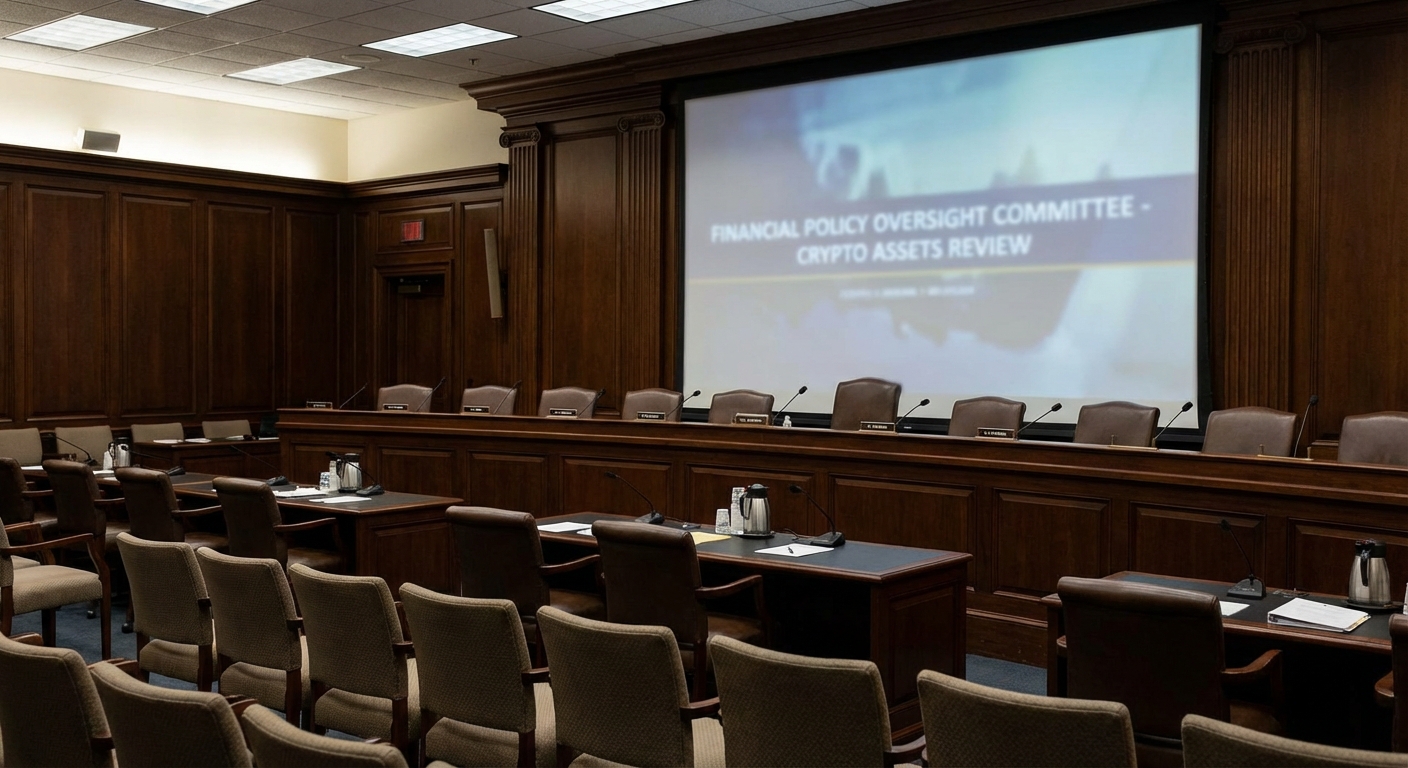
Intro: the items below are arguments supporters cite for the claim that “banks secretly block crypto” — presented as claims, not proven facts. This article uses documented examples, regulator releases, and reporting to show where those arguments originate and how they hold up to verification. Primary search term: banks secretly block crypto.
The strongest arguments people cite
-
Claim: Banks refuse or limit credit‑card purchases of cryptocurrency, effectively blocking retail on‑ramps.
Source type: public bank policy statements and press reporting (examples include bank announcements and contemporaneous news coverage).
Verification test: check an issuer’s public card policy and merchant blocking list, or independent reporting contemporaneous with the policy change (for example, Lloyds’ 2018 public statement that it would not accept credit‑card transactions to buy crypto).
-
Claim: Banks close or refuse accounts of crypto businesses (“debanking”).
Source type: investigative journalism, industry complaints, and regulatory filings documenting bank relationships or account terminations; sometimes bank press releases or court/FDIC records after bank failures.
Verification test: locate bank notices to affected firms, FDIC/receiver filings, or court/agency records that state whether accounts were closed and why (risk, AML concerns, insolvency). High‑profile examples include crypto‑friendly banks that wound down or failed in 2023, which supporters cite as evidence banks want crypto off rails.
-
Claim: Correspondent banks or payment processors block wires or ACH transfers to exchanges, disrupting fiat on‑ramps.
Source type: exchange notices to customers, industry reporting on payment‑rail outages, and occasional regulator/central bank statements.
Verification test: confirm exchange notices, examine which intermediate banks or processors were named (or regulator notices) and whether the provider cited compliance/AML, counterparty risk, or commercial reasons; examples include exchanges suspending ACH/ACH‑like rails after partner banks changed their connectivity.
-
Claim: Supervisory pressure or informal guidance from regulators causes banks to avoid crypto customers (so banks act as if they are being told to block crypto).
Source type: leaked or released supervisory documents, congressional testimony, and public statements from regulators and bank supervisors.
Verification test: seek primary regulator documents (public bulletins, interpretive letters, hearing transcripts) to see whether supervisors required prior non‑objection or discouraged activities — and check later rescissions or reversals. Supporters point to interagency statements and supervisory practices that made banks reluctant; regulators later documented that prior notification processes had an effect.
-
Claim: Banks treat crypto transactions as higher fraud/money‑laundering risk and therefore block them selectively (e.g., using merchant codes or risk flags).
Source type: internal bank risk policy excerpts quoted in reporting, industry‑level analyses of AML/transaction monitoring, and consumer complaints.
Verification test: review a bank’s published risk policy, industry guidance (FinCEN/other AML advisories), and any enforcement actions or fines that reference weak AML controls or transaction monitoring failures. Regulatory enforcement and bank fines can confirm AML concerns exist even if they don’t prove a coordinated blocking policy.
-
Claim: Banks prefer to develop their own bank‑controlled crypto services (or support partners) rather than letting independent exchanges access banking, so they slow external access.
Source type: corporate filings, press releases about bank crypto pilots or custody services, and analysts’ commentary on bank strategy.
Verification test: check bank press releases, regulator interpretive letters that permit banks to offer custody or custody‑adjacent services, and compare whether banks add products while simultaneously restricting third‑party access. Recent OCC letters explicitly clarified bank‑permissible crypto activities, which provides a policy context for banks’ choices.
How these arguments change when checked
When you apply primary‑source verification the picture becomes mixed. Some elements are documented: banks have (a) publicly restricted credit‑card purchases of crypto at times, (b) closed or scaled back commercial relationships with certain crypto clients, and (c) seen liquidity or compliance problems at crypto‑centric counterparties that led to account terminations or service interruptions. Examples include public bank statements about card policies and the 2023 runs and wind‑downs involving banks that serviced many crypto customers.
At the same time, more recent official documents show federal bank regulators taking steps to reduce procedural barriers that previously discouraged bank activity in crypto. The OCC published interpretive letters in 2025 reaffirming that certain crypto‑asset activities are permissible for national banks and rescinded a prior supervisory non‑objection process; the FDIC has issued similar clarifications for FDIC‑supervised banks. Those regulator actions make a blanket, ongoing program of “secretly blocking” less consistent with official supervision in the U.S., though they do not eliminate commercial risk‑management decisions by private banks.
Important: reporting of individual account closures, card blocks, and payment disruptions is real and verifiable in many cases — but those instances do not by themselves prove a coordinated, secret, industry‑wide campaign to block crypto. In several documented cases the proximate causes were bank risk limits, compliance concerns, liquidity stress, or commercial decisions rather than a single secret directive.
Evidence score (and what it means)
- Evidence score: 42 / 100
- Drivers: multiple documented, verifiable incidents of card blocks, account closures, and payment‑rail disruptions (supports that banks sometimes cut or limit crypto access).
- Drivers: public regulatory records show supervisory practices that in earlier years increased banks’ caution; regulators later rescinded or clarified those procedures, demonstrating policy change rather than perpetual secret blocking.
- Drivers: high‑quality primary sources (FDIC/OCC releases, bank failure records) support specific events, but there is limited direct documentary evidence of an organized, unified ‘‘secret’’ program across multiple banks to block crypto customers.
- Drivers: many supporting claims rely on anecdote, industry complaints, or second‑hand reporting; these can be accurate but are weaker than regulator filings or court/FDIC records.
Evidence score is not probability:
The score reflects how strong the documentation is, not how likely the claim is to be true.
This article is for informational and analytical purposes and does not constitute legal, medical, investment, or purchasing advice.
FAQ
Q: Do banks secretly block crypto — is there proof of a coordinated secret program?
A: No primary source (public regulator document, court filing, or leaked directive verified by multiple reputable outlets) shows a single, coordinated secret program across banks to block crypto. There are well‑documented instances where banks limited card purchases, closed accounts, or where correspondent relationships changed, but the evidence points to a mix of commercial risk decisions, AML/compliance concerns, and regulatory caution rather than a single secret campaign.
Q: Why would a bank block or restrict crypto transactions?
A: Banks cite several reasons in public statements and filings: high volatility (risk to cardholders who borrow), AML/CTF (anti‑money‑laundering/combating the financing of terrorism) risk, reputational risk, and concentrated deposit or counterparty risk. Some regulatory supervisory practices historically increased banks’ perceived compliance burden, leading banks to reduce exposure to crypto‑associated counterparties.
Q: Have regulators changed course on banks and crypto?
A: Yes. In 2025 the OCC issued interpretive letters clarifying and in some respects expanding permissible crypto‑related activities for national banks and rescinding a prior supervisory non‑objection process; the FDIC issued similar clarifications. Those public regulator actions removed certain procedural barriers that had made banks more cautious. That does not erase past closures or operational restrictions, but it changes the regulatory context moving forward.
Q: How can an investigator verify a specific allegation that a bank blocked transactions for a person or business?
A: Practical verification steps: request the bank’s written explanation (account closure or transaction decline notice), check merchant/processor blocking lists, review any regulator or court filings involving the bank and the customer, and, when available, obtain correspondence or internal emails via discovery or a records request. Public notices from exchanges or companies about payment‑rail outages can also identify which intermediary withdrew service.
How we treated sources
We prioritized primary sources where available (OCC and FDIC public releases and bulletins, FDIC/receiver public filings, and contemporaneous bank statements) and high‑trust news reporting for events such as bank wind‑downs. When reporting and regulatory materials conflict we noted the conflict and relied on regulator documents for the interpretation of supervisory policy. The items above separate documented events from anecdote and inference.
What you should watch next
- New regulator guidance or enforcement actions that explicitly require or forbid particular bank behaviors toward crypto customers.
- Public bank policy pages and merchant‑code/blocking lists for card issuers and payment processors.
- FDIC/receiver filings or court records in cases where accounts were closed or services withdrawn from crypto firms — these provide the strongest, verifiable documentation of why a bank acted.

Finance/corporate scandal writer: fraud cases, market manipulation claims, and evidence standards.